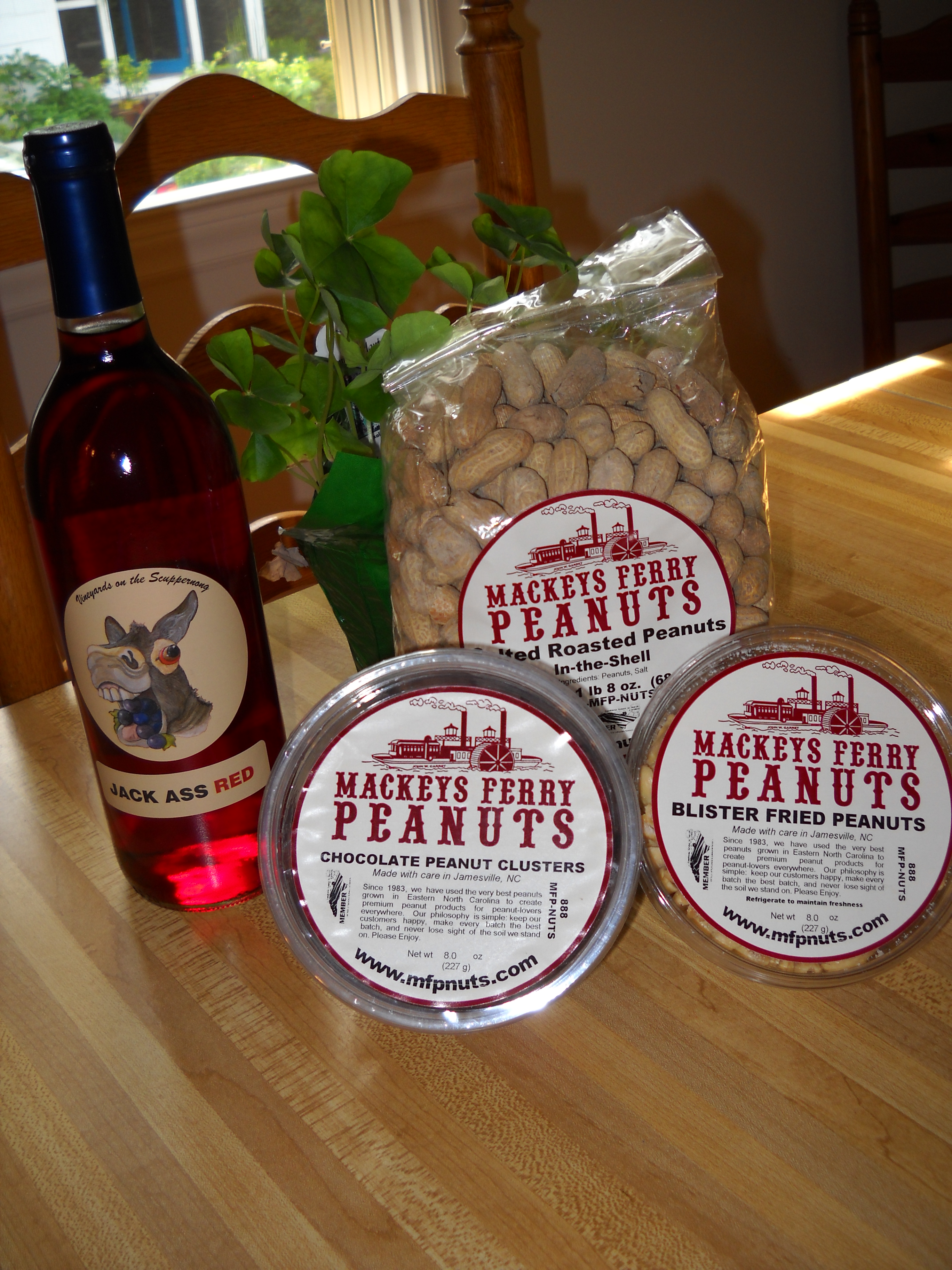
 There are more students enrolled at the University of North Carolina in my hometown of Chapel Hill than there are residents of Martin County. A sparsely populated, rural county that people pass through on their way to and from the Outer Banks, Martin County is not a place renowned for its tourist attractions. That’s okay by me though because Martin County has a claim to fame that is good enough for me – Mackey’s Ferry Peanuts. Not only do they sell peanuts of all varieties at Mackey’s Ferry, they also have the only wine I care to drink, scuppernong wine. It was just a brief stop on my way back from the beach, but I returned home with some lasting and tasty memories of Martin County.
May 10, 2013, County #15 – Martin
Traveling the Tar Heel state, county by county
These Are The Good Old Days
Have you ever stopped to think about how funny it is that, no matter how many years we’ve lived, we invest our childhoods with some sort of magic that is missing from all our other decades? After all, how often do people sit around feeling nostalgic about how they lived when they were in their 30s? When I first heard people fondly recalling the 1980s, I was so confused – for me as an adult during that time, nothing made that decade particularly stand out. Finally I realized though that, if those were your formative years, snap bracelets and Garbage Pail kids assumed an importance for you that was lost on the rest of us cruising through those Reagan years as adults.
Spending time at the Outer Banks a couple of weeks ago brought all of this to mind. I only visited Nags Head and the beaches north of there a couple of times when I was young because, from Chapel Hill, the beaches near Morehead City and Wilmington are much closer. Still, the Outer Banks have a mystical appeal for any North Carolina resident so it’s easy enough for me to get misty-eyed remembering how they used to be even if I myself spent little time there when I was young.
There have been plenty of changes to the Outer Banks since my youth and, when I arrived on a sunny day in May, I immediately found myself irritated with all of them. I was looking for dumpy, turquoise-colored motels with leaky air-conditioning units in the windows, beach houses with torn screens on their wide porches, and weather-beaten restaurants with plates full of fried, beige food. Today too many parts of the island are manicured and new. The further north you go along Highway 12, the more you feel like you’re in some sort of Yankee resort town where no one’s ever heard of Sun Drop.
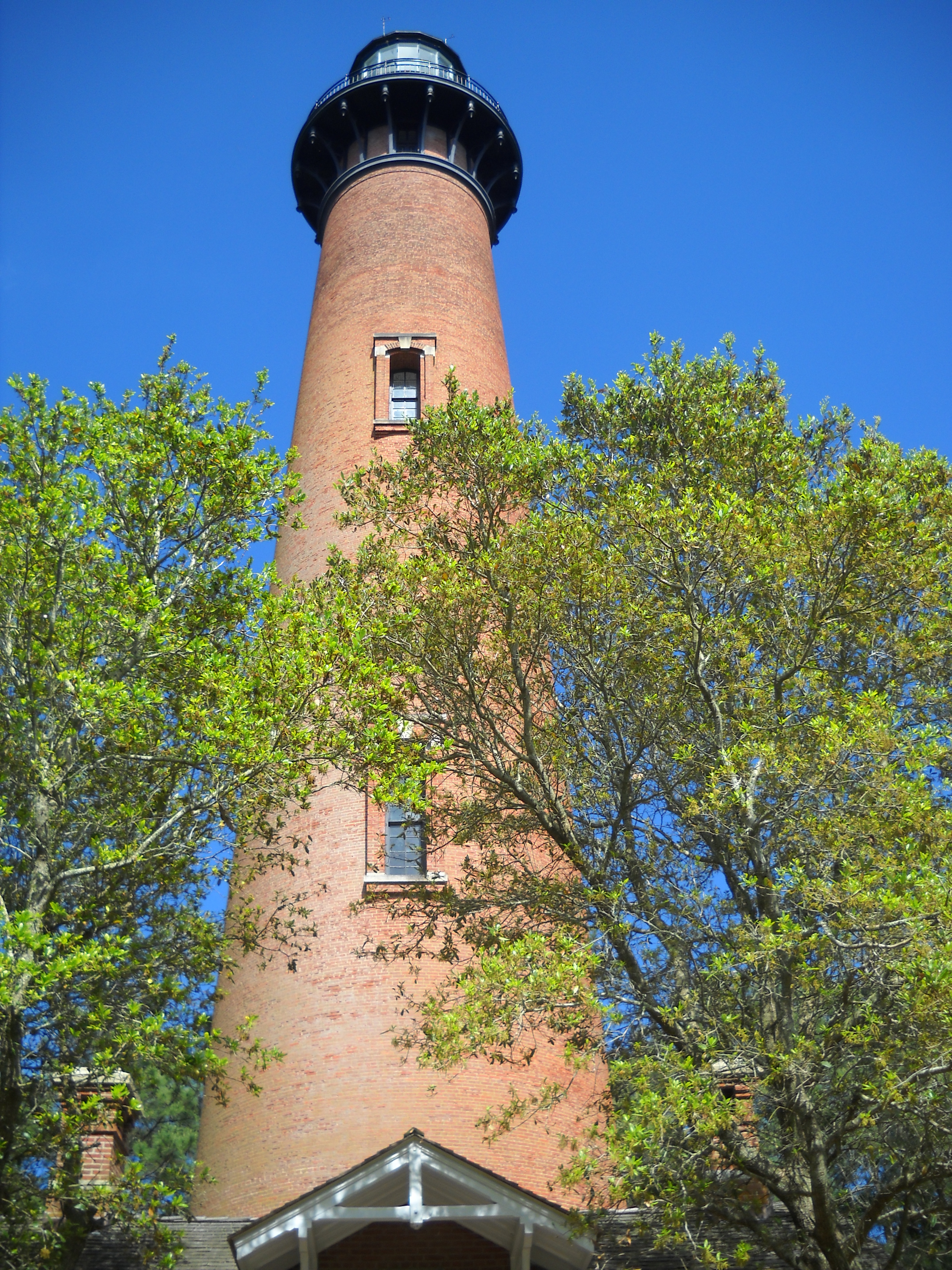
When I climbed to the top of the Currituck Lighthouse in the northernmost part of Corolla, I walked all the way around the circumference of the lighthouse looking for a view worthy of a photograph. I was annoyed that, in every direction, all I could see were signs of development. I was seeking a picture of pristine, unsettled land and blue waters but from every angle there was no view untouched by humankind. In frustration, I went ahead and snapped some pictures. It was only later when I sat down to look at the photos that I was able to see the beauty in those views. That’s when it hit me that I was failing to appreciate what had been right there in front of me. After all, the Outer Banks of the 1960s surely appeared overdeveloped to the old timers of those days. And long before that, what must the Native Americans have thought of the changes Europeans brought to the area? We are, after all, always living in someone’s good old days.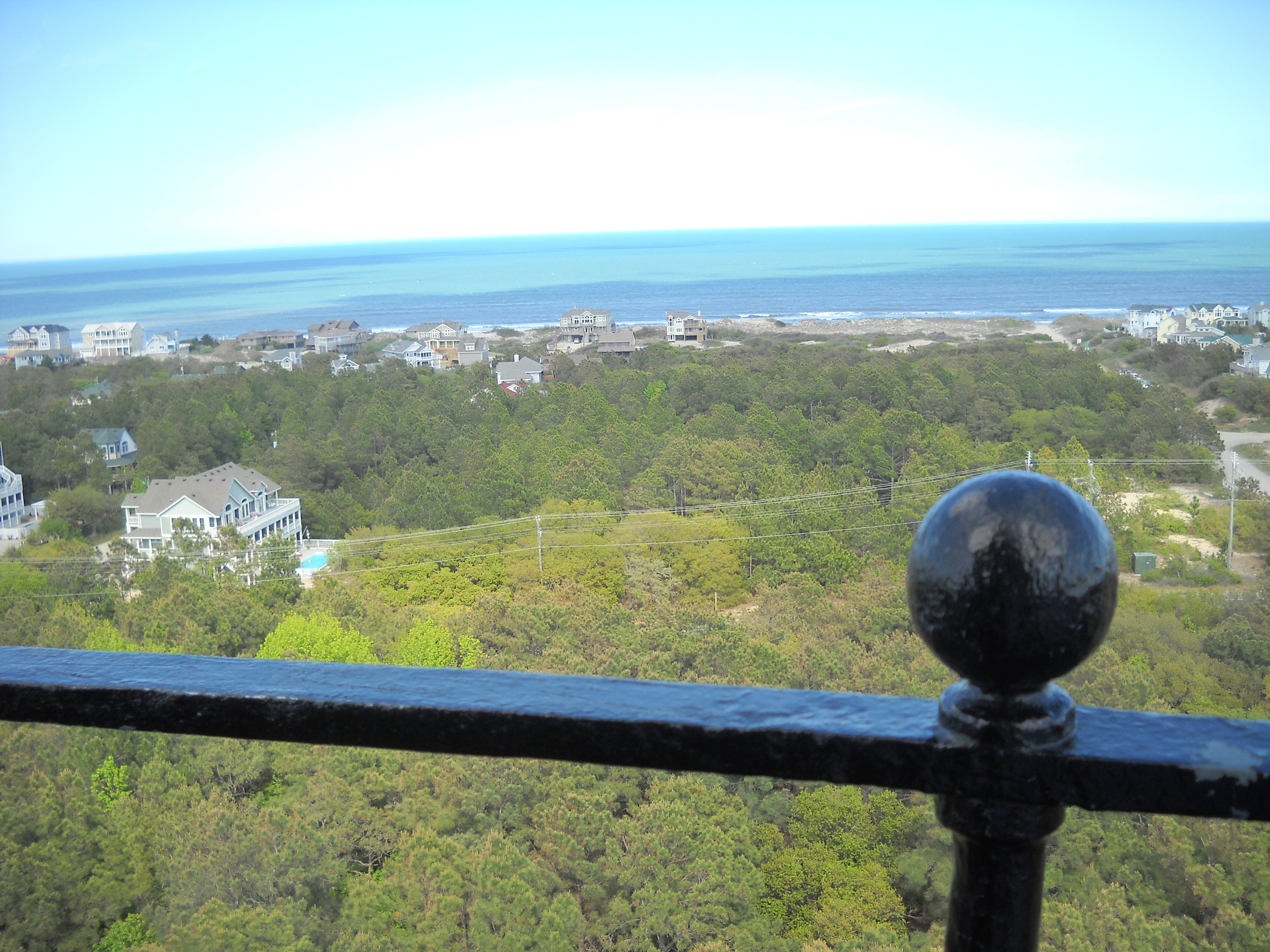
In the end, I was able to convince myself to appreciate what we have right now in front of our eyes, the beauty and grandeur of the Outer Banks, 2013 version.
Heading home from the Outer Banks, I stopped off on Roanoke Island in Dare County, home of the Lost Colony. Hasn’t every North Carolina school child been consumed at some point in time with the mystery of the Lost Colony and that titillating image of John White returning to Roanoke Island in 1590, only to find the settlers he’d left behind gone, leaving nothing but the word “Croatan” carved on a post? The unanswered question of what happened to those colonists is number one on my list of top five mysteries I’d most like to solve. I didn’t find any answers wandering the national park established at the approximate site of that first settlement but I did learn about a part of North Carolina history they didn’t teach at Phillips Junior High in 1965.
At the start of the Civil War, Union troops captured Roanoke Island. As word spread that Yankees were in charge, several thousand slaves escaped to the island, eventually establishing a community, the Freedmen’s Colony, with roads, churches, and a school. Throughout the war, the former slaves lived there as freedmen, working for pay, and seeking education for themselves and their children. After the war, the land was returned to its original owners and the community dispersed, although some of the residents remained on Roanoke Island where their descendants still live today.
Just imagine the conversations among the people who were once children in the Freedmen’s Colony when they got together to reminisce! It wasn’t Garbage Pail Kids they’d wax nostalgic about but the memory of an entire community that rose from nothing and then disappeared. Even with the promise of those years gone and replaced with the cruelties of the Jim Crow era, I had to hope that those former freedmen’s colonists too found joy in the grandeur of the Outer Banks, 1913 version.
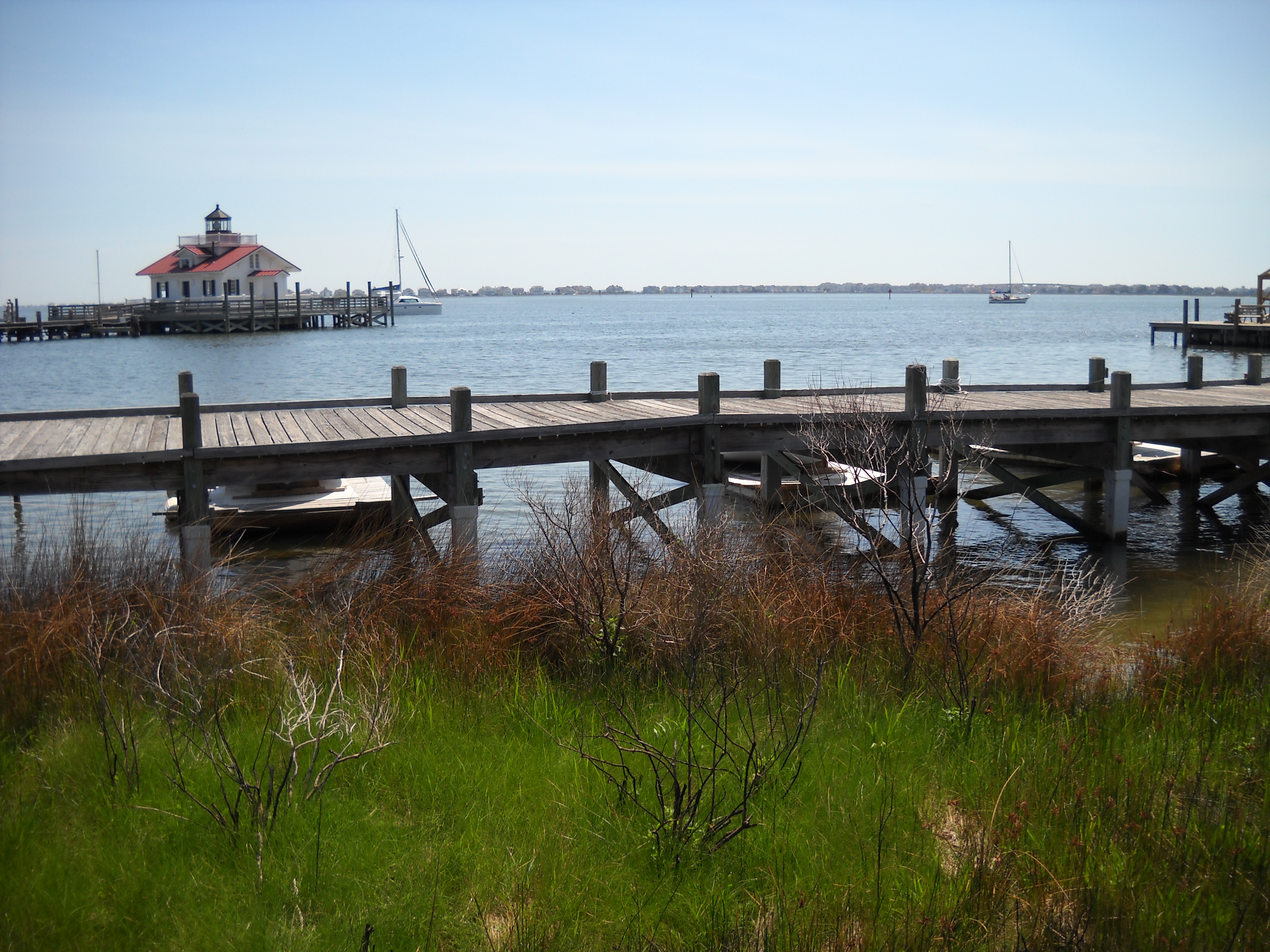
With thoughts of days gone by swirling in my head, I headed off Roanoke Island, stopping first at Manteo’s beautiful waterfront, thriving thanks to tourism dollars. There I got one of the best cups of coffee I’ve ever had at The Coffee House and then, well-caffeinated, headed west towards home.
May 10, 2013, Counties #13 and 14 – Currituck and Dare
Wilson County – Remembering the past, embracing the future
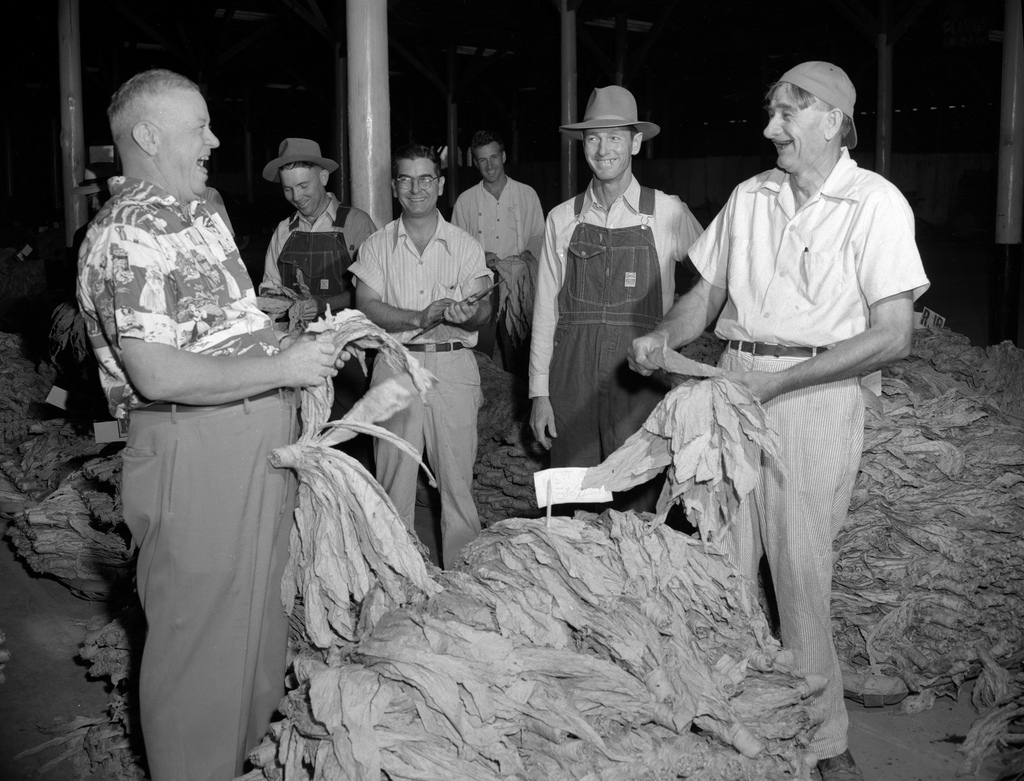 Without a major river to provide transportation, Wilson County was sparsely populated in earlier times, first by a smattering of Tuscarora Indians and later by European settlers and African-American slaves. A railroad brought growth to the area after the Civil War but it was bright leaf tobacco that put Wilson County on the map. I remember seeing black and white photos like this one in our local paper each year, celebrating the annual tobacco auctions that brought millions of dollars to eastern North Carolina communities like Wilson. For a Chapel Hill girl who’d never touched a tobacco leaf, these pictures provided a glimpse into a world that seemed almost foreign even though it existed just miles from my own.
Today you can see reminders of those heady tobacco market times in Wilson’s downtown, a multi-block area that is surprisingly large for a town of 50,000. There are grand, historic buildings: the two-story, neo-classical edifice that was BB&T’s original corporate headquarters and the forlorn sight of what once had to be a bustling hotel that is now consigned to housing for the elderly. Wilson’s downtown may no longer be the centerpiece of a thriving tobacco market, but it still shows more signs of life than many towns of similar size. And when Vollis Simpson’s giant whirligigs are moved to town permanently, I expect there will be plenty more.
Several years ago a number of women from the Chapel Hill High class of 1971 reconnected through Facebook and a group of us formed a monthly book club. We weren’t necessarily friends as teenagers and may not have had a lot in common at the age of 15 but having been in the same place at the same age so many years ago provides us with a strong bond today. We remember getting out of school as third graders to hear President Kennedy speak at Kenan Stadium on University Day. Our first taste of pizza was at the Rathskeller in Chapel Hill’s Amber Alley. As eighth graders, we experienced culture shock when the schools were fully integrated and we all came together, black and white, for the first time. Our book club meetings are a fascinating and fun chance to share memories, many of them so different but always with that underlying thread of a common place and time (and we even manage to squeeze in book discussion too!).
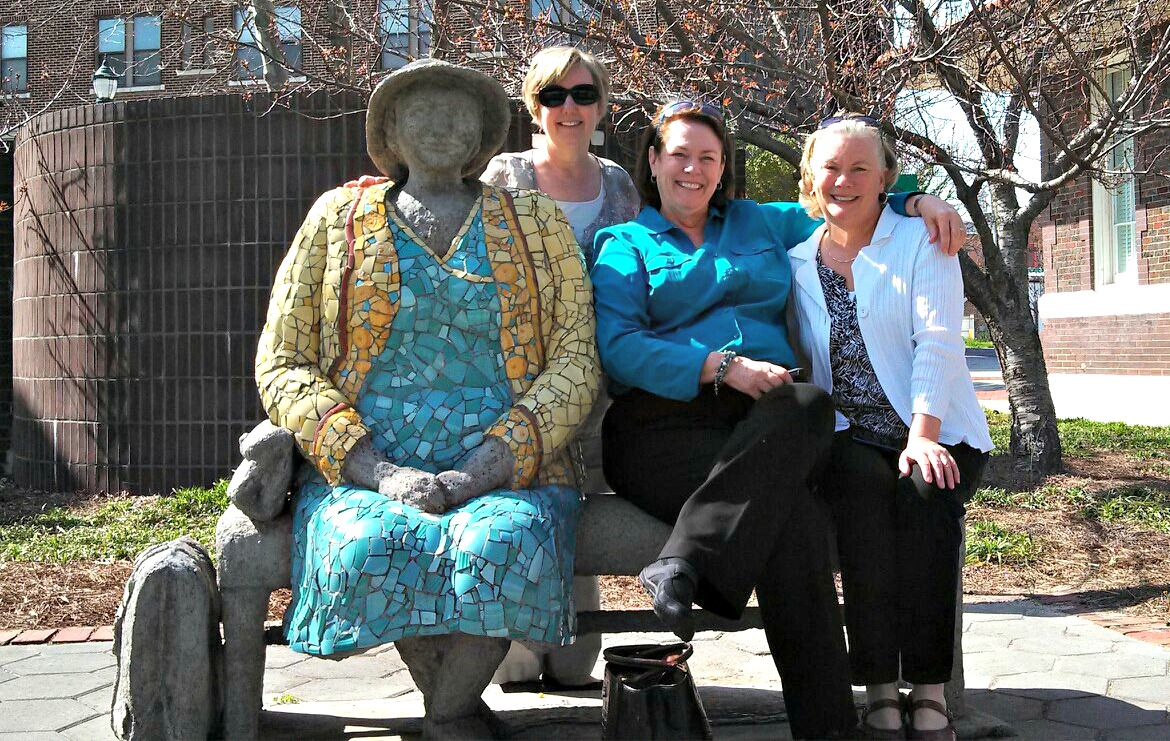
Our April book club meeting was hosted by classmate Beth Punte who’s made her home in Wilson for the past 25 years. After our meeting, Beth was gracious enough to show us around Wilson, ending at the train depot where Wilson’s modern history truly began. At the station, we were introduced to Rose Rail, who sits patiently waiting on a depot bench for her train to arrive. Although a few of Rose’s mosaic pieces have broken off and lie scattered on the sidewalk nearby, Rose maintains a stoic strength. Just as Wilson County has seen its share of hard times, you have a feeling Rose has as well and that, in spite of her broken parts, she endures. No wonder we were all eager to have our pictures taken with Rose. At the age of 60, we too have suffered breaks and blows but like Rose, and the eastern North Carolina county where she sits on her bench waiting, we are still here and still looking ahead to the next adventure.
April 7, 2013 County #12 – Wilson
Traveling in the Footsteps of Those Who’ve Gone Before
One of the unexpected pleasures of my 100 county quest is that it has led me into conversations with all sorts of people who’ve had all sorts of suggestions of places I should see. Not long ago, it was a chance discussion with a cashier at Williams Sonoma in Durham that led me to downtown Warrenton and a particular antique/gift shop, The Scarlet Rooster.
I’ve probably been to Warren County, NC more than 100 times, traveling on I-85 from Chapel Hill to D.C., speeding past exits for Warrenton and Norlina but never stopping or seeing anything more than the billboards on the interstate. On August 17th for the first time, I headed to Warren County as a destination rather than a place to simply pass through.
Warren is one of a string of sparsely populated northeastern counties spread out over a rural terrain, all of them facing challenges of poverty and dwindling numbers. With just three incorporated towns in the county, none with a population over 1,500, it was a pleasant surprise for my youngest daughter, Rebecca, and me to discover a charming Main Street dotted with antique stores in Warren County’s county seat, Warrenton. Unlike so many small downtowns on a Saturday afternoon, Warrenton was bustling. The Scarlet Rooster, a small store chockful of charm, quality goods, and homemade truffles helped us understand the draw though we wondered where these shoppers were coming from!
A few miles outside of Warrenton, we sought out Soul City, an experimental planned community envisioned by civil rights leader Floyd McKissick in the early 70s as a place where all races would live together and thrive. Little is left of that dream now although there are still reminders in street signs, a few homes, and a beautifully maintained park that was eerily empty on a Saturday afternoon. Saddest of all was coming upon a hand-lettered sign, “Soul City Cemetery,” in front of an apparently empty dirt field.
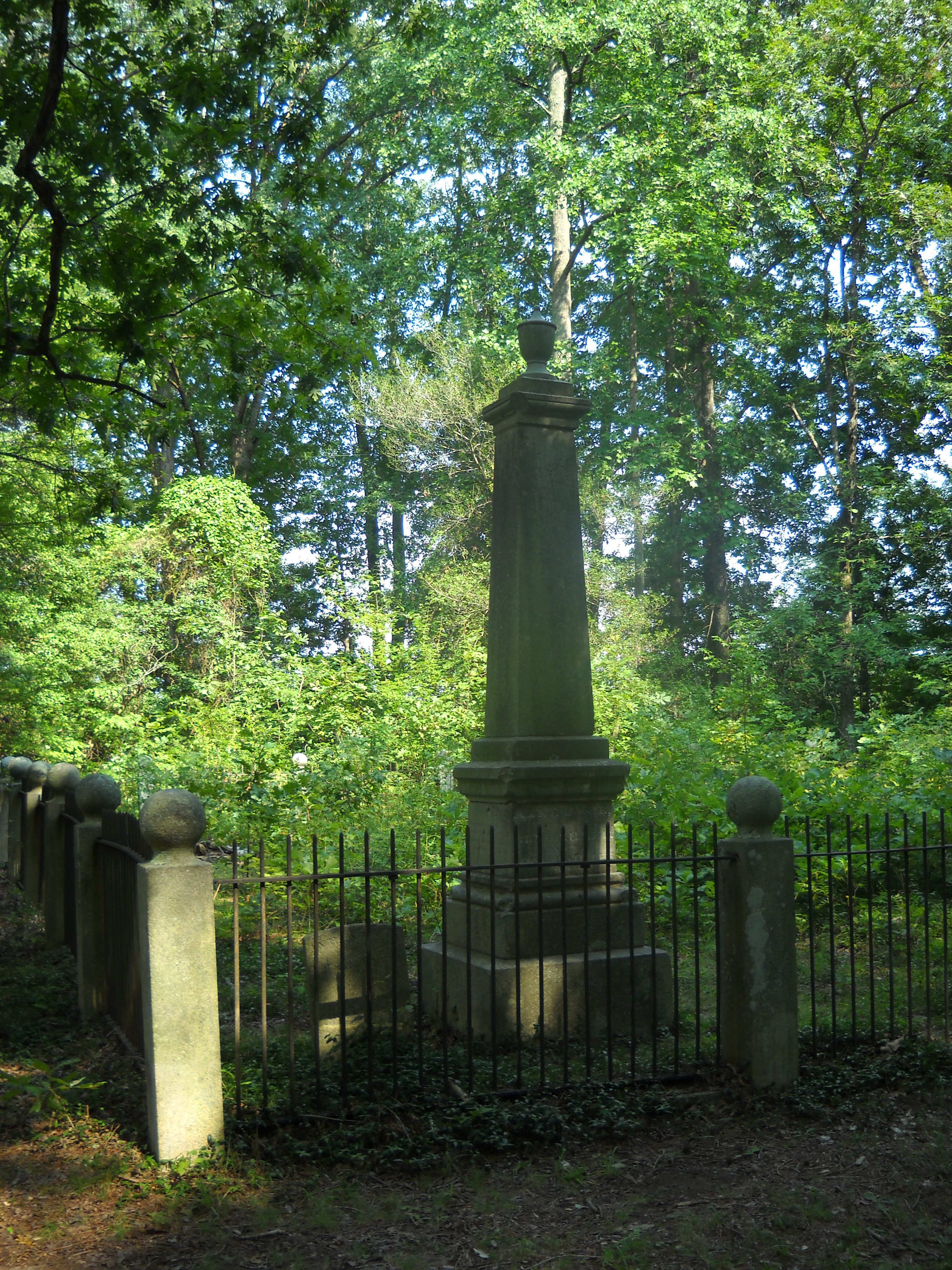 In an entirely different direction, south of Warrenton, we found the former gravesite of Annie Lee, the daughter of Robert E. Lee. Annie became ill and died when, as a young adult during the Civil War, she was visiting in Warren County. In the midst of war, her body couldn’t be transported home to Virginia so she was buried far from home in North Carolina. Her father was finally able to visit her gravesite in 1870 and he himself died just a few months later. In 1994, the Lee family moved her body to their family burial site in Virginia but her grave marker remains in Warren County. There is no sign to indicate the site but finding Annie Lee Road gave us a clue that we were close. It took a little tromping through the woods to find the grave but there it was, hidden from the road in the midst of a southern forest.
A gravesite without a body and a city without citizens – our day in Warren County turned out to be a fascinating one, traveling a landscape peopled by the spirits of those no longer here. We departed Warren, driving east to the town of Halifax in next door Halifax County. Downtown Halifax was deserted and its small historic park closed. Just as we were wondering what we might see of interest in this small, quiet town, we came upon this historic home and marker. I grew up singing the Carolina fight song that includes the line “it’s fight, fight, fight for Carolina as Davie did in days of old.” I take an early morning walk each day past the D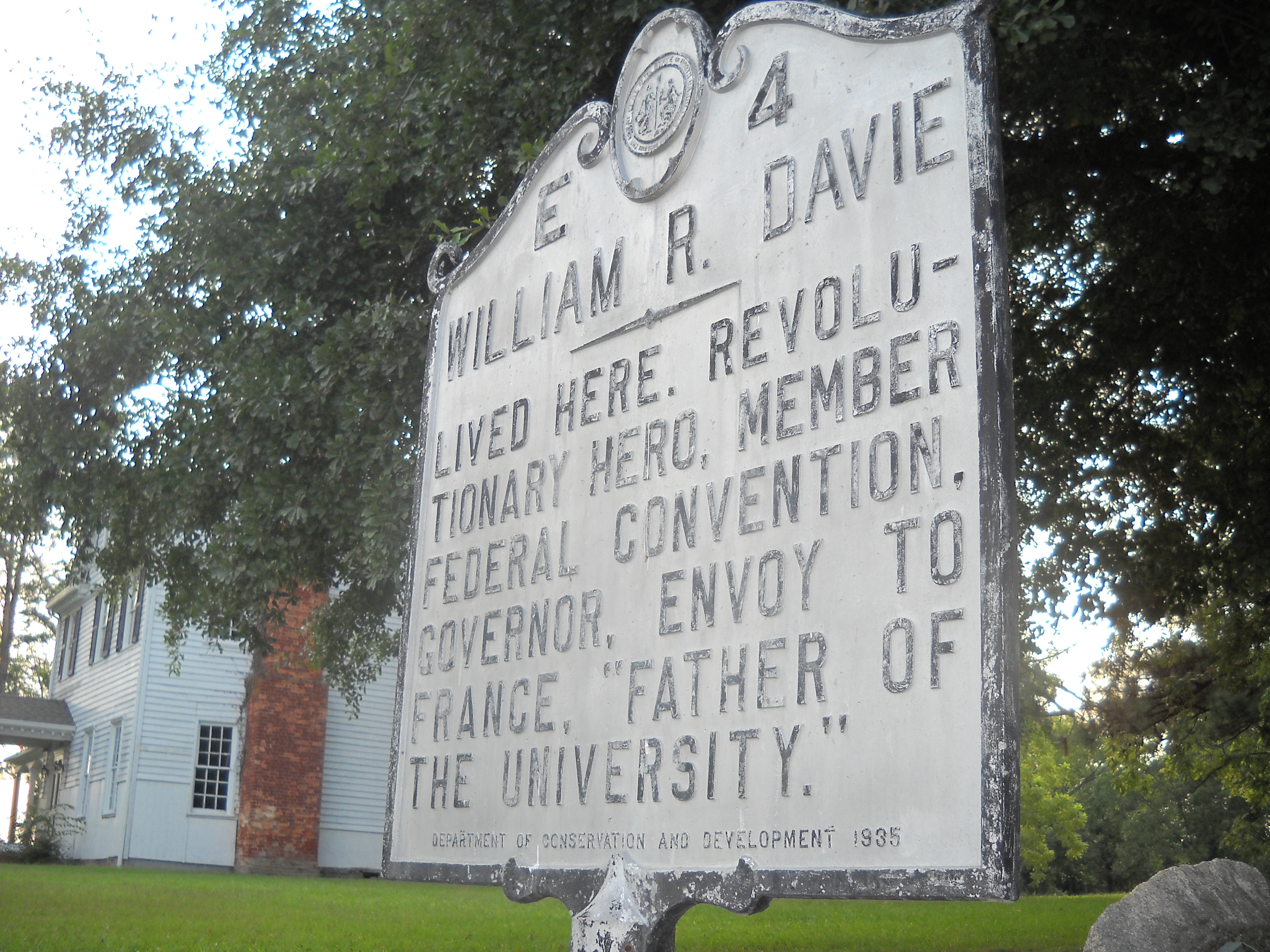 avie Poplar on UNC’s campus. For the past 34 years, I’ve lived off Davie Circle. Happening upon William R. Davie’s home in Halifax County was a perfect way to end our trip. And, I appreciated the writer of the historical marker who referred to my beloved University of North Carolina most appropriately as “the university.”
August 18, 2012 – Warren and Halifax – Counties #10 and #11
Topsail – A Little Bit of Heaven
For North Carolinians, a trip to the beach is a necessary rite of summer. With most of us holding on to vivid memories of childhood trips to the beach, we invest all sorts of emotion into exactly what constitutes a proper beach vacation. The topic ranks right up there with how to celebrate Christmas as a subject likely to provoke strong feelings. Rationally we can understand that opening presents on Christmas Eve is a perfectly plausible option but if your family opened theirs on Christmas morning, you know in your heart of hearts that Christmas morning is the right time (and really, the ONLY time) to unwrap those gifts. In the same way, I can nod understandingly when someone explains why they love going to the beach and staying in a condo with a pool but all the time I’m thinking to myself that the good lord clearly intended us to stay in oceanfront cottages…and ones with big, screened porches at that!North Carolina is blessed with many different, equally beautiful beaches. Every family has their favorite and every family believes that “their” beach is the right one. For my family, that right beach would be Topsail in Pender County – in July, the month that we feel confident was created precisely for beach weeks. The pictures below help illustrate some of the elements we consider critical for an idyllic time in Topsail – thankfully ones that were all a part of this year’s trip, July 14 – 21 – Pender – County #9.
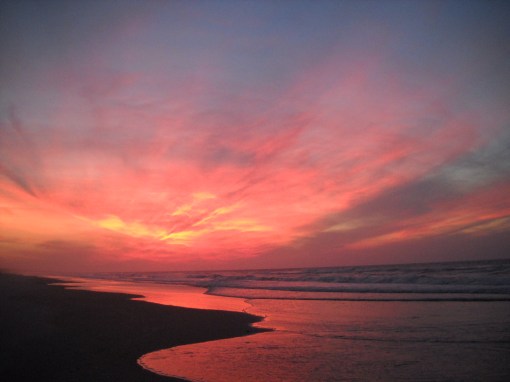
Sunrise over the Atlantic.
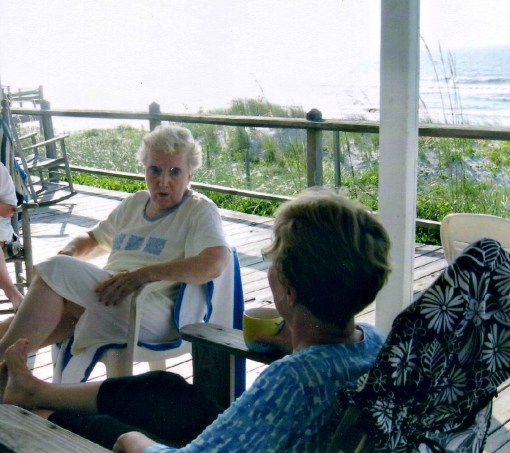
Morning coffee on the porch.

Birthday celebrations.
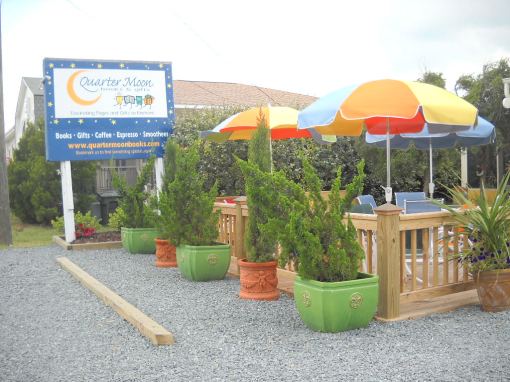
Trips to my favorite coffee shop/bookstore.
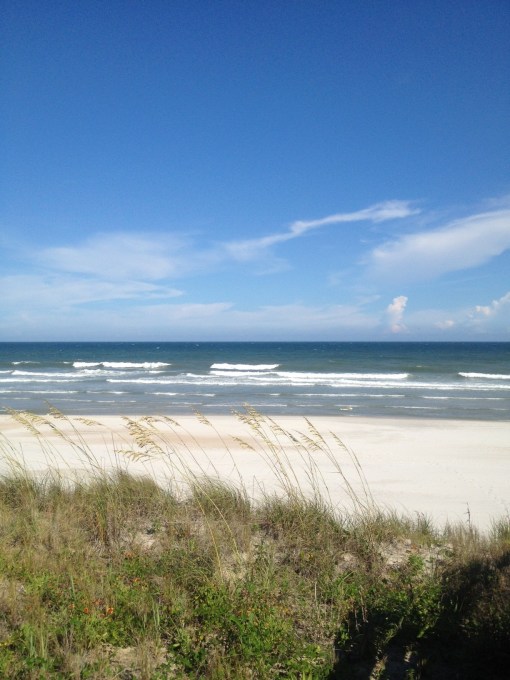
Floating on my raft in the water – well, you may have to look closely, but that is me on my raft out there!
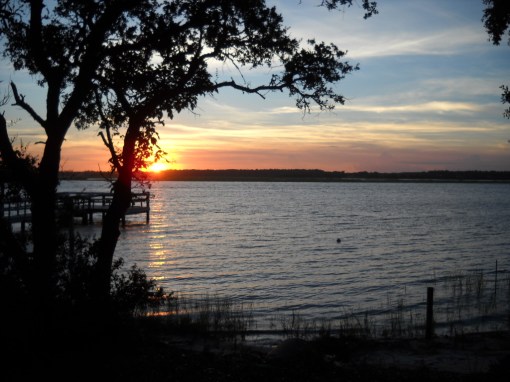
- Sunset over the sound.
I Found My Thrill
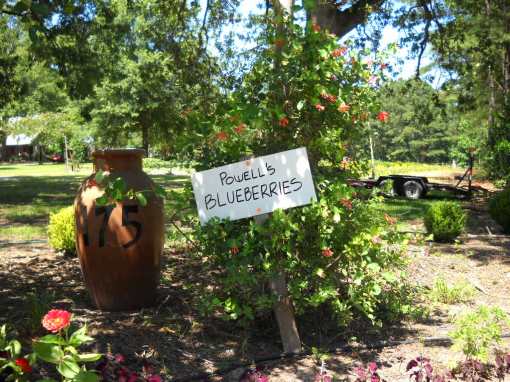
I start every morning off with blueberries. Unfortunately, although they are nutritious and delicious, blueberries are expensive. Thankfully, summer offers a small window of opportunity to pick fresh blueberries which are tastier than storebought and much cheaper. Ron and I grab the chance each year to collect as many pints as we can and then freeze them to last through the winter and on into the next picking season. My blueberry dependence does mean not much else fits into our freezer for a good part of the year but it’s all worth it for my daily blueberry fix.
Several years ago when Ron and I came upon a “closed” sign at the place where we’d hoped to pick, we ended up on a roundabout trip, following directions to first one farm and then another, before finally arriving at Powell’s Farm in Chatham County. To get there, we went past a small restored railroad station, down a dirt road, and over a railroad track through the woods before a picturesque farm opened up before us. There we saw a farmhouse, a pond, and, to complete the picture, a friendly dog snoozing in front of an old barn. When a handsome young man strode out of the barn, I felt like I’d stumbled into the opening scene of a romance novel (except for the fact that the only person around to play the role of heroine was fifty-something and very-married me).
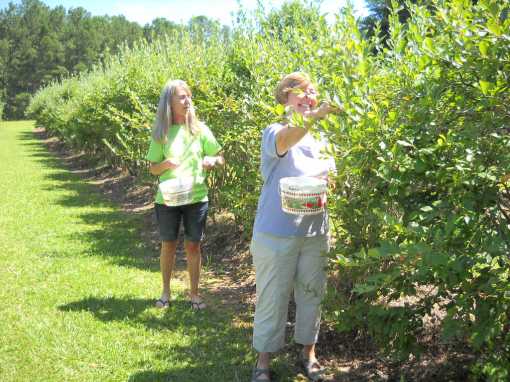
The young man, more interested at that moment in potential customers than romance, directed us to row upon row of bushes, bursting with sweet blueberries. We filled our buckets, weighed them, and left a payment on a wooden table under the shade of several large old trees. The blueberries were as tasty as the setting was ideal. Since that idyllic day, I’ve been back to Powell’s on many summer days and I’ve never been disappointed. Today, I made the trek with my daughter, Katherine, and longtime friend, Kris Palmer. We left with several pints of ripe berries but found that the best picking is probably a week or two away. I’ll be back. With its combination of bucolic beauty and healthy fruit, there’s no better spot than Powell’s Farm to represent Chatham County in my 100 county quest.
June 17, 2012 – Chatham – County #8
Rediscovery
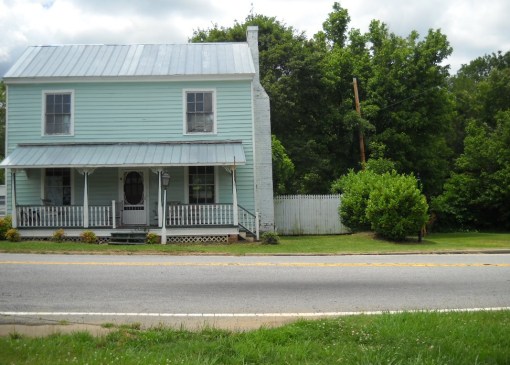
Back when I was a student at Chapel Hill High, my friends and I frequently skipped school. Chapel Hill was a small enough place then that we couldn’t risk staying in town and, unlike Ferris Bueller, we didn’t have a big city like Chicago nearby in which to lose ourselves. Instead, we spent those out-of-school days driving country roads near Chapel Hill. In our wanderings, we came upon several abandoned mill towns along the Haw River. Having read our fair share of Trixie Belden and Nancy Drew mysteries as kids, we never doubted that we had in fact discovered these towns and that no one else knew about them (sort of like Christopher Columbus “discovering” a world people had been living in for centuries).
One of those mill towns my high school friends and I stumbled upon was Saxapahaw, a community in southern Alamance County. Since my skipping school days, Saxapahaw has been most emphatically discovered. The old mill itself has been turned into condominiums, musical Saturday night gatherings are held there in the summer, and there’s even a general store where you can pick up both Slim Jims and cashew butter.
Interstate 40/85 slices horizontally through Alamance County. North of the highway you find the familiar outlet malls of Burlington and a conglomeration of commercial sprawl that could be Anywhere, USA. Even the attractive college town of Elon lacks a spirit of vibrancy.
South of the interstate though, Alamance County retains its soul. It’s hard to imagine anyone not being charmed by Saxapahaw. Other rural communities like Eli Whitney and Alamance are similarly situated among rolling green fields and the land almost pulsates with history. The village of Alamance may not have been incorporated until 1979 but it is a spot where Indians, Revolutionary War, and Civil War soldiers all once gathered.
On a particularly gorgeous day in June, driving the roads of Alamance County with my daughter was an ideal way to spend my birthday. Time has marched on for me and for Saxapahaw since those long ago high school days. The change is good.
June 14, 2012 – County #7 – Alamance
Montgomery and Moore
Yesterday I headed to Town Creek Indian Mound in Montgomery County with my long-time friend, Anne Geer (what a good feeling it is spending time with someone you’ve known since elementary school). I learned a lot at Town Creek about pre-1500 Native American culture and hope to learn more from a book Anne recommended to me, 1491. After leaving Town Creek, we found fresh peaches at a local Moore County farm Anne had heard about from a friend and rewarded ourselves with the special treat of homemade peach ice cream from a roadside stand.
Each time I travel to a county, I try to be open to whatever I may experience there. My goal isn’t to have a fabulous time on each visit but to experience that county for whatever it has to offer on a particular day. Still, as often as I tell myself that, I do harbor a desire to happen upon something unexpected as I’m traveling along. With today’s technology keeping the world abreast of everyone’s waking moment, it’s less and less likely that we might find surprises along the way but that doesn’t stop me from hoping.
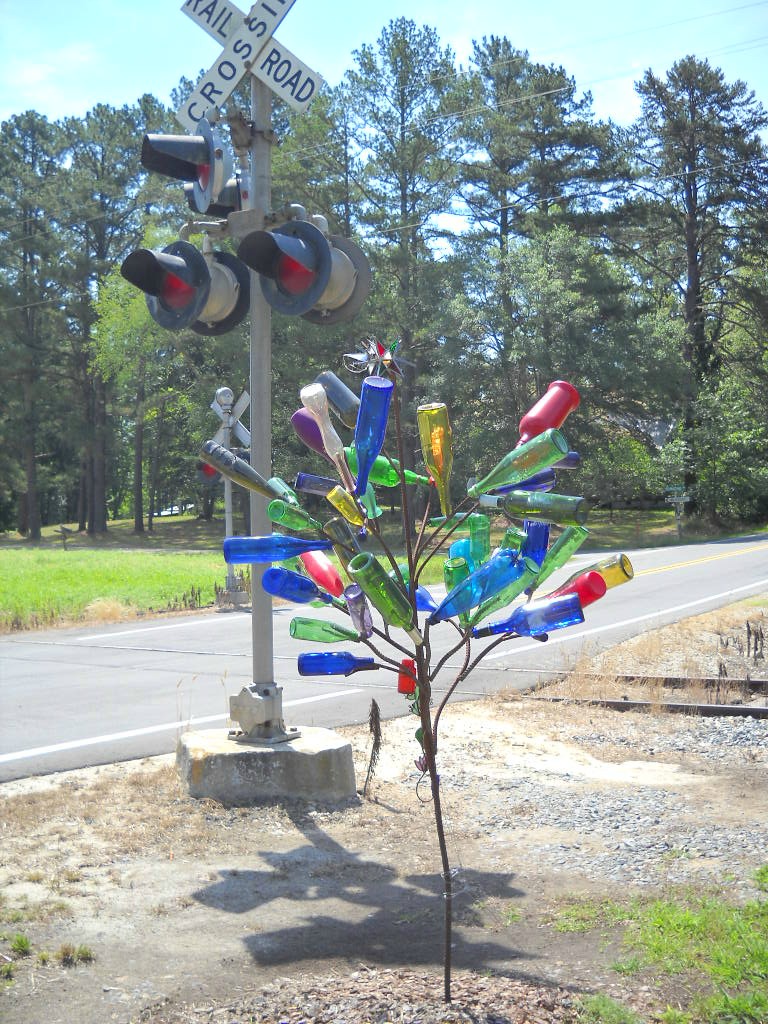
That’s why I was excited to experience just such an unexpected surprise when Anne and I came upon this whimsically decorated crossroads in rural Moore County. A two-story house stands on one corner with a couple of friendly dogs on the front porch. We could only guess that the owners of that home were responsible for the bottle tree, the plantings around road signs, and the decorations on the signs themselves. I would love to know more about the story behind it all but, regardless of what that story might be, the crossroads at Glendon was the highlight of a fun trip through the counties of Montgomery and Moore.
Counties #5 & 6 – Montgomery and Moore – June 9, 2012
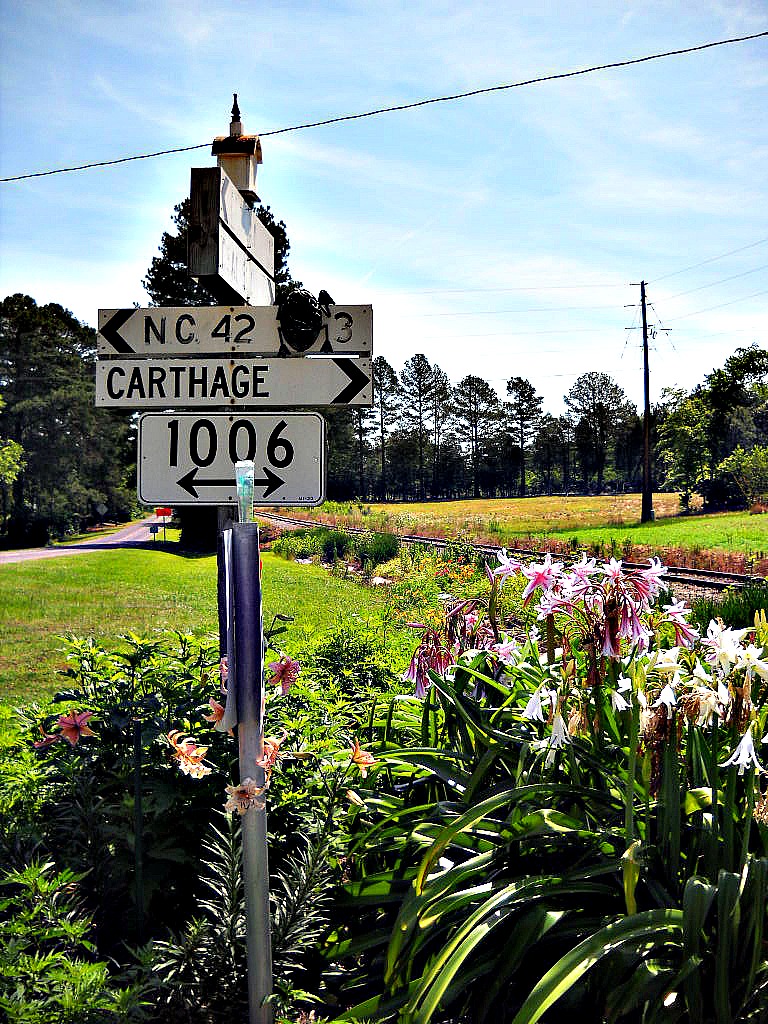
- Not many road signs are graced with flowers like these.
Rural roads of Duplin County
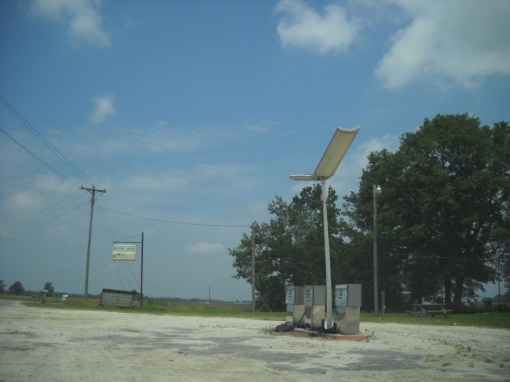
Traveling with others has taught me that all of us see new places through a particular frame or perspective. It might be the architecture of the area, the plant life, the shopping opportunities, or even whether or not there’s an available Taco Bell, but all of us have some criterion by which we judge an area.
For me there’s no doubt it’s the story of a place that I’m interested in. When I’m driving somewhere new, I look around and want to know what life was like there 100 years ago or back when Europeans first arrived or even further back, before the Europeans showed up.
That curiosity about the story of a place is the reason I prefer rural areas. Driving down a country road, uncluttered by strip malls or subdivisions, it’s easy to imagine the same road as it might have been 100 years earlier. Duplin County has long stretches of such roads going along the coastal plain where you feel you can almost hear the spirits of those who’ve gone before. Even if you are deaf to those spirits of the past, you can see plenty of evidence of them in the private family cemeteries that dot the roadside and the road signs that flash by with names like Arthur Boney, Lum Williams, Myrtle Sholar, and Joe Hop Williams.
My destination in Duplin County was the historic home of the Kenan family in Kenansville, Liberty Hall. My tour there was mildly interesting but it was the getting there that I’ll remember best.
County #4 – Duplin – May 23, 2012
Franklin County
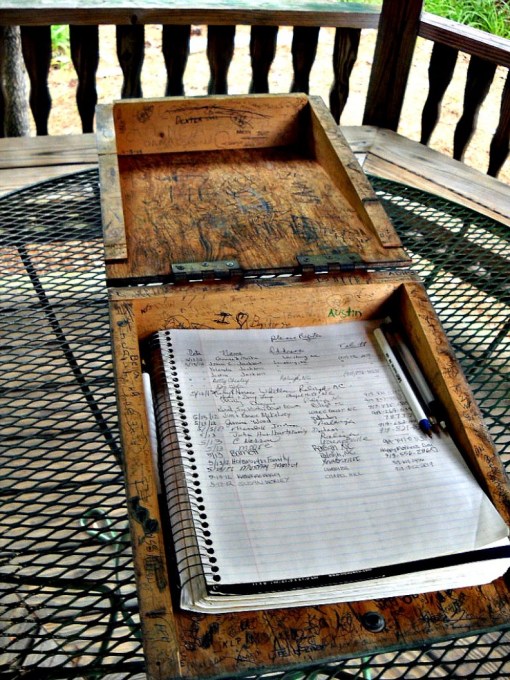
All that the De Harts ask of visitors is that they sign this guest book and refrain from carrying firearms, smoking, or littering.
A May 12th article in the Raleigh News & Observer inspired a Mother’s Day trip to Franklin County with my daughters to explore De Hart Botanical Gardens. The gardens are on over 90 acres of woodlands belonging to a retired Louisburg College professor and open to all. Developing the gardens over the course of five decades has been a labor of love and one that, due to the professor’s generosity, is available for everyone to enjoy.
As beautiful a gesture as these gardens are, our trip to Franklin County was generally disappointing. The day was gloomy and overcast and our mood matched the gray skies. It didn’t take long after we crossed the county line to realize that the worst aspects of Wake County urban sprawl have spilled over into Franklin County. Cookie cutter subdivisions popped up all along our drive, announcing their names with elaborate entrance signs as if someone might miss the 15 houses packed tightly together in the midst of former farm fields. When did people decide that neighborhoods needed names anyway?
We drove to Louisburg in hopes that its charms might win us over but a small town on a Sunday afternoon is pretty much a ghost town so we gave up on any expectation of finding a locally owned restaurant for a late lunch. We did spot Franklin County’s Republican headquarters in downtown Louisburg and a hand drawn sign in the window that proclaimed “Socialism is trickle up poverty.” If we couldn’t find actual food, at least that statement gave me food for thought.
Leaving Louisburg behind, we settled on having our Mother’s Day lunch at Carolina Ale House, a chain restaurant along the highway. It felt like a fitting end to our somewhat depressing Franklin County excursion, a trip that was salvaged only by knowing there are people like Allen de Hart managing to preserve some of our state’s natural beauty amidst the ugliness of commercialization and sprawl.
May 13, 2012 – County #3 – Franklin
 100countyquest