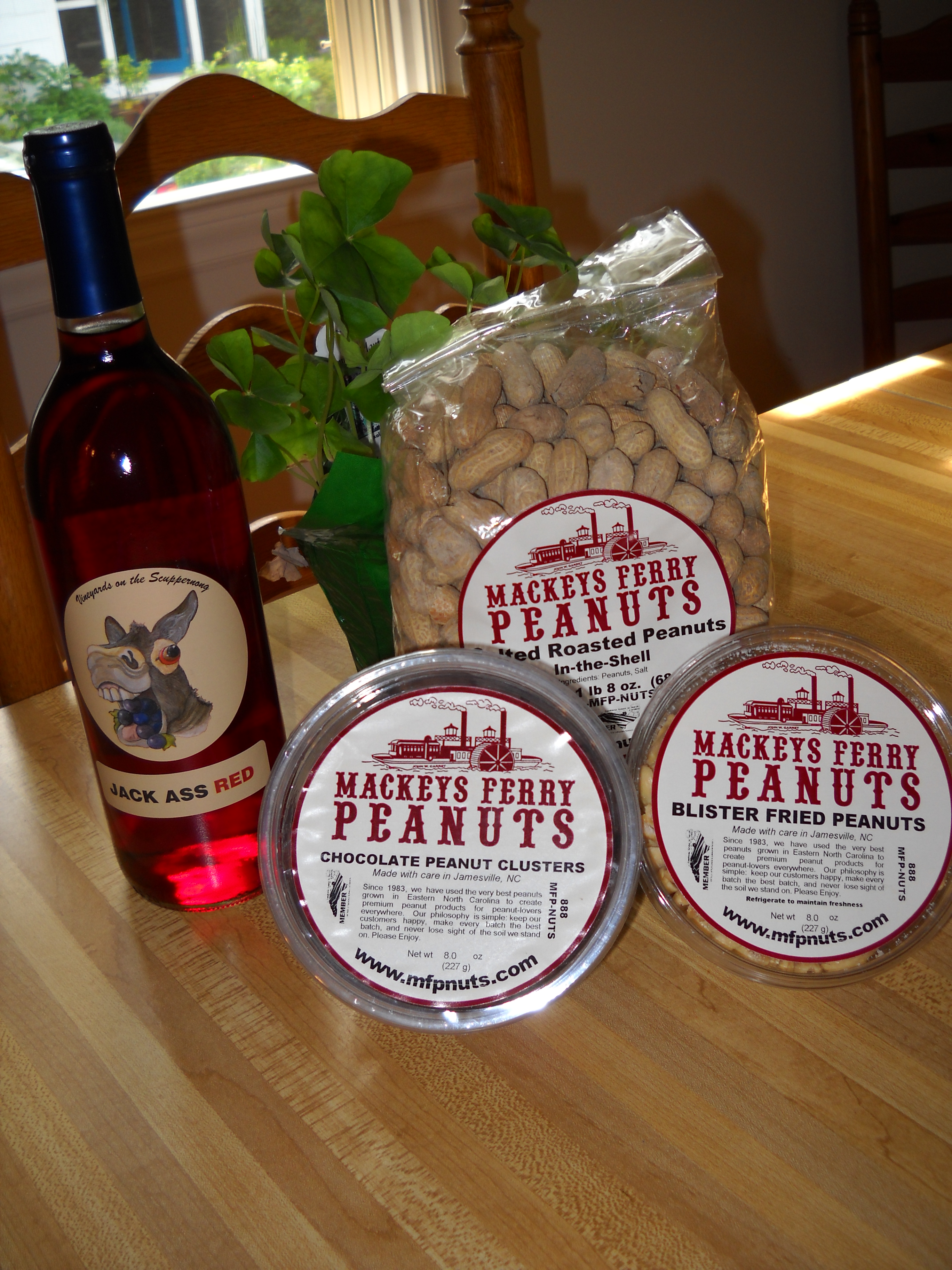
 There are more students enrolled at the University of North Carolina in my hometown of Chapel Hill than there are residents of Martin County. A sparsely populated, rural county that people pass through on their way to and from the Outer Banks, Martin County is not a place renowned for its tourist attractions. That’s okay by me though because Martin County has a claim to fame that is good enough for me – Mackey’s Ferry Peanuts. Not only do they sell peanuts of all varieties at Mackey’s Ferry, they also have the only wine I care to drink, scuppernong wine. It was just a brief stop on my way back from the beach, but I returned home with some lasting and tasty memories of Martin County.
May 10, 2013, County #15 – Martin
Traveling the Tar Heel state, county by county
Monthly Archives: May 2013
These Are The Good Old Days
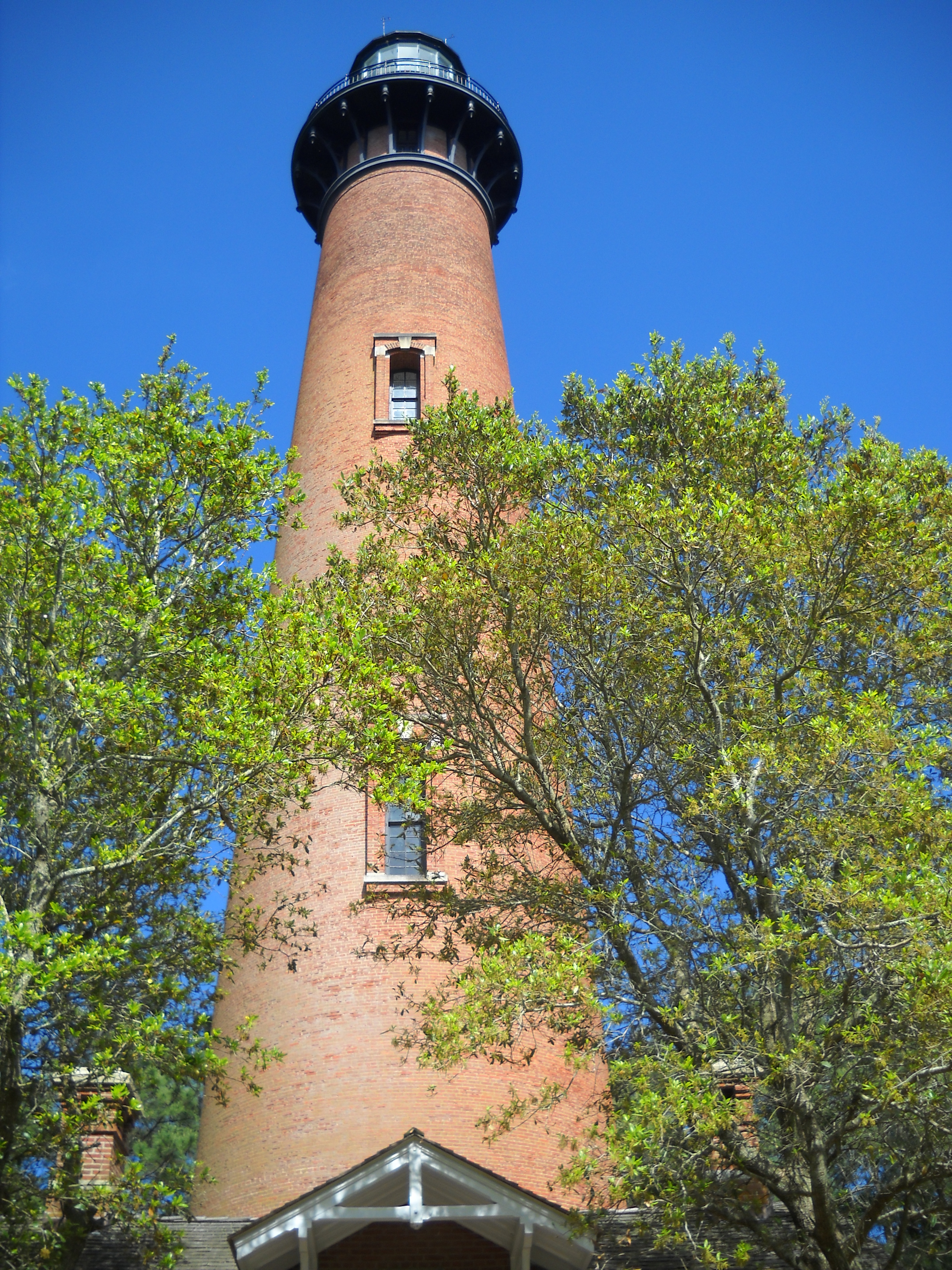
Have you ever stopped to think about how funny it is that, no matter how many years we’ve lived, we invest our childhoods with some sort of magic that is missing from all our other decades? After all, how often do people sit around feeling nostalgic about how they lived when they were in their 30s? When I first heard people fondly recalling the 1980s, I was so confused – for me as an adult during that time, nothing made that decade particularly stand out. Finally I realized though that, if those were your formative years, snap bracelets and Garbage Pail kids assumed an importance for you that was lost on the rest of us cruising through those Reagan years as adults.
Spending time at the Outer Banks a couple of weeks ago brought all of this to mind. I only visited Nags Head and the beaches north of there a couple of times when I was young because, from Chapel Hill, the beaches near Morehead City and Wilmington are much closer. Still, the Outer Banks have a mystical appeal for any North Carolina resident so it’s easy enough for me to get misty-eyed remembering how they used to be even if I myself spent little time there when I was young.
There have been plenty of changes to the Outer Banks since my youth and, when I arrived on a sunny day in May, I immediately found myself irritated with all of them. I was looking for dumpy, turquoise-colored motels with leaky air-conditioning units in the windows, beach houses with torn screens on their wide porches, and weather-beaten restaurants with plates full of fried, beige food. Today too many parts of the island are manicured and new. The further north you go along Highway 12, the more you feel like you’re in some sort of Yankee resort town where no one’s ever heard of Sun Drop.
When I climbed to the top of the Currituck Lighthouse in the northernmost part of Corolla, I walked all the way around the circumference of the lighthouse looking for a view worthy of a photograph. I was annoyed that, in every direction, all I could see were signs of development. I was seeking a picture of pristine, unsettled land and blue waters but from every angle there was no view untouched by humankind. In frustration, I went ahead and snapped some pictures. It was only later when I sat down to look at the photos that I was able to see the beauty in those views. That’s when it hit me that I was failing to appreciate what had been right there in front of me. After all, the Outer Banks of the 1960s surely appeared overdeveloped to the old timers of those days. And long before that, what must the Native Americans have thought of the changes Europeans brought to the area? We are, after all, always living in someone’s good old days.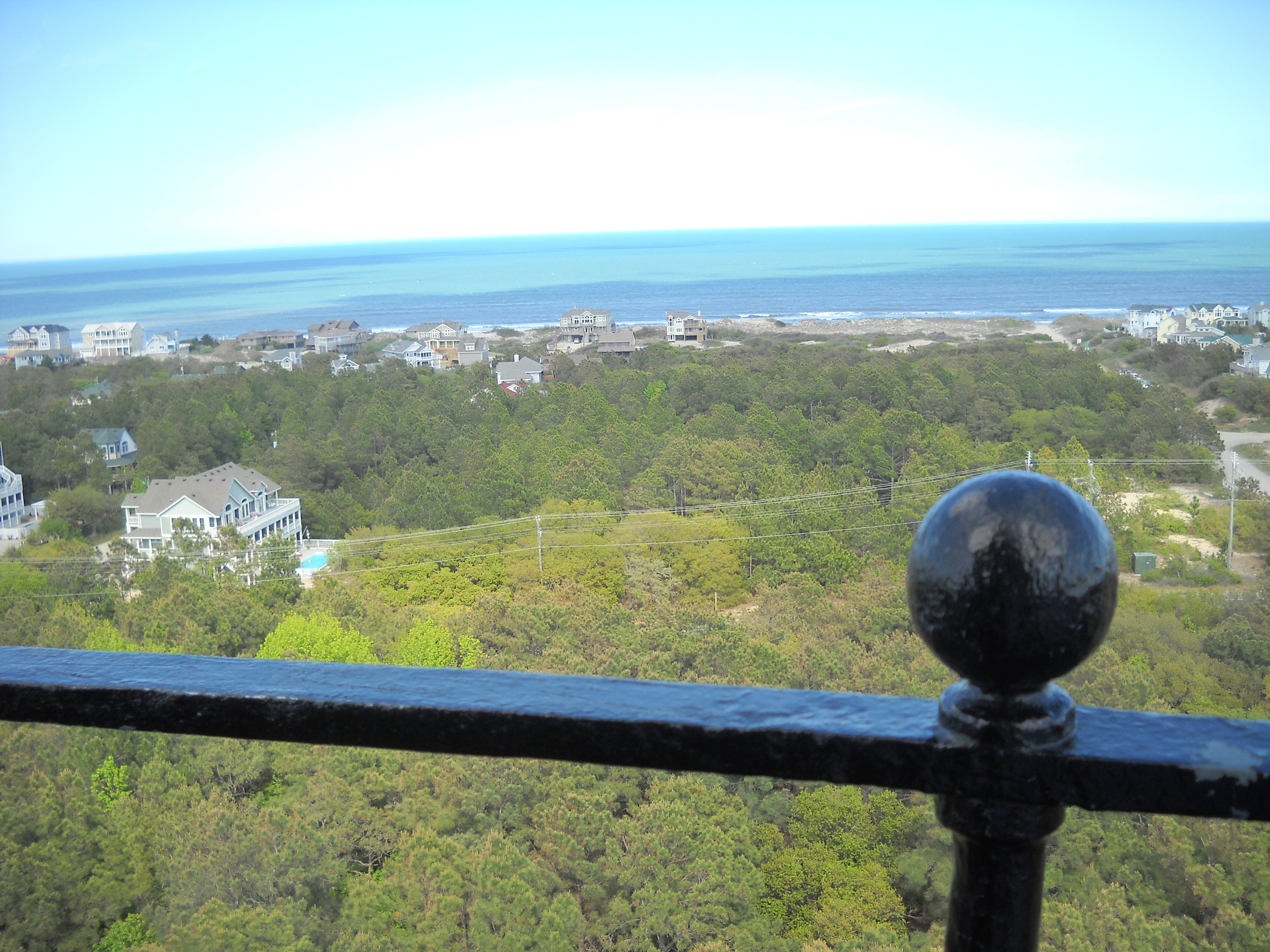
In the end, I was able to convince myself to appreciate what we have right now in front of our eyes, the beauty and grandeur of the Outer Banks, 2013 version.
Heading home from the Outer Banks, I stopped off on Roanoke Island in Dare County, home of the Lost Colony. Hasn’t every North Carolina school child been consumed at some point in time with the mystery of the Lost Colony and that titillating image of John White returning to Roanoke Island in 1590, only to find the settlers he’d left behind gone, leaving nothing but the word “Croatan” carved on a post? The unanswered question of what happened to those colonists is number one on my list of top five mysteries I’d most like to solve. I didn’t find any answers wandering the national park established at the approximate site of that first settlement but I did learn about a part of North Carolina history they didn’t teach at Phillips Junior High in 1965.
At the start of the Civil War, Union troops captured Roanoke Island. As word spread that Yankees were in charge, several thousand slaves escaped to the island, eventually establishing a community, the Freedmen’s Colony, with roads, churches, and a school. Throughout the war, the former slaves lived there as freedmen, working for pay, and seeking education for themselves and their children. After the war, the land was returned to its original owners and the community dispersed, although some of the residents remained on Roanoke Island where their descendants still live today.
Just imagine the conversations among the people who were once children in the Freedmen’s Colony when they got together to reminisce! It wasn’t Garbage Pail Kids they’d wax nostalgic about but the memory of an entire community that rose from nothing and then disappeared. Even with the promise of those years gone and replaced with the cruelties of the Jim Crow era, I had to hope that those former freedmen’s colonists too found joy in the grandeur of the Outer Banks, 1913 version.
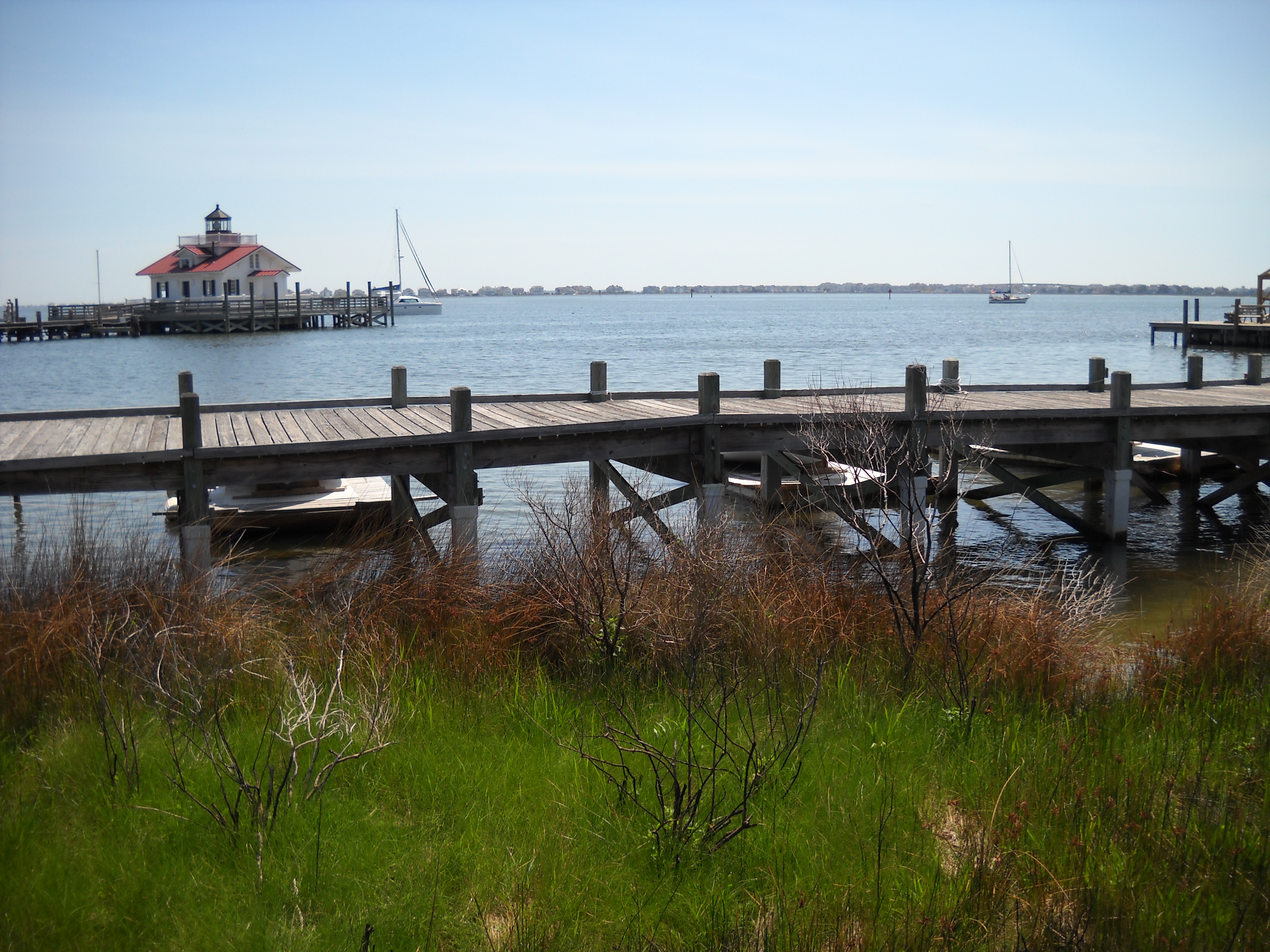
With thoughts of days gone by swirling in my head, I headed off Roanoke Island, stopping first at Manteo’s beautiful waterfront, thriving thanks to tourism dollars. There I got one of the best cups of coffee I’ve ever had at The Coffee House and then, well-caffeinated, headed west towards home.
May 10, 2013, Counties #13 and 14 – Currituck and Dare

