Category Archives: Uncategorized

Country Roads, Take Me Home

Leaving the beach on a beautiful, late-summer day, I took a circuitous route home (my favorite kind!), winding along backroads through four of North Carolina’s eastern counties.

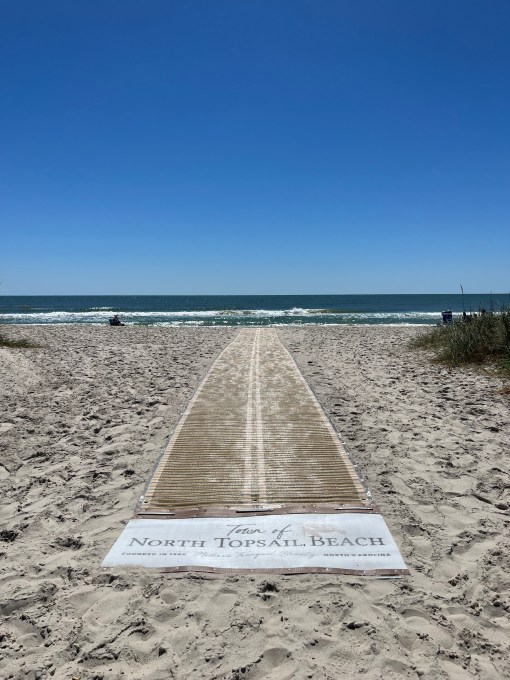
The most populated part of Onslow County is the Jacksonville area, home of the Camp Lejeune Marine Corps base. For me though, Onslow is important for its beaches. Our family spends a week on Topsail Island every summer (pronounced Top-sul here in North Carolina). Although we prefer the southern, Pender County end of the island, we’ve enjoyed several memorable beach weeks in Onslow County’s North Topsail.
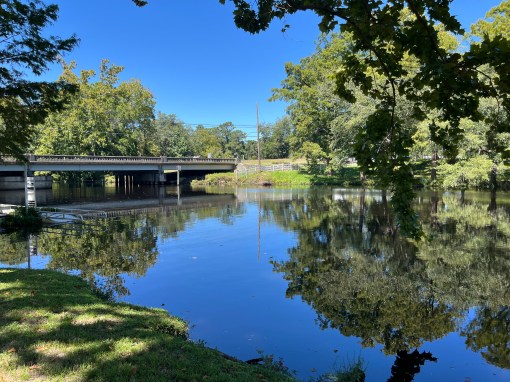
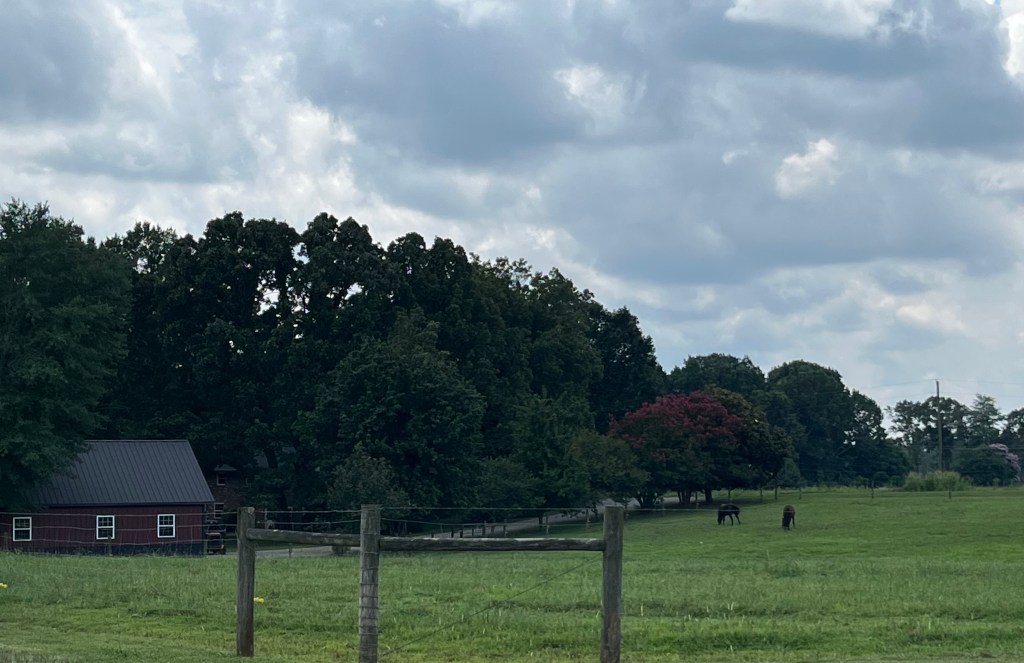
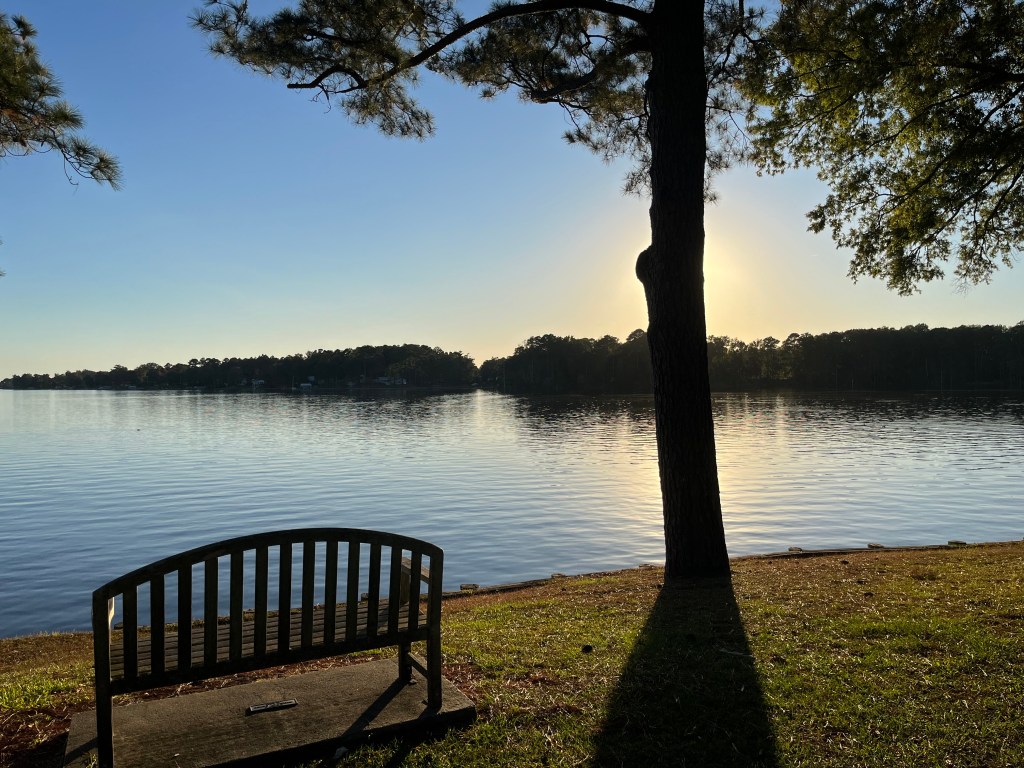
With a population of fewer than 10,000 people, Jones County boasts more natural beauty than human accomplishments and that’s not necessarily a bad thing. I took a break in Pollocksville to enjoy a view of the Trent River.
From Jones County, I headed northwest to Lenoir County and the town of Kinston, which holds a special place in my heart as the home of UNC basketball greats Jerry Stackhouse and Reggie Bullock. Carolina basketball looms so large in my world that I expected a little more recognition of these two than I found in Kinston. I was happy though to see a shoutout to Stackhouse in the Kinston-Lenoir County Sports Hall of Fame as Kinston’s best ever.
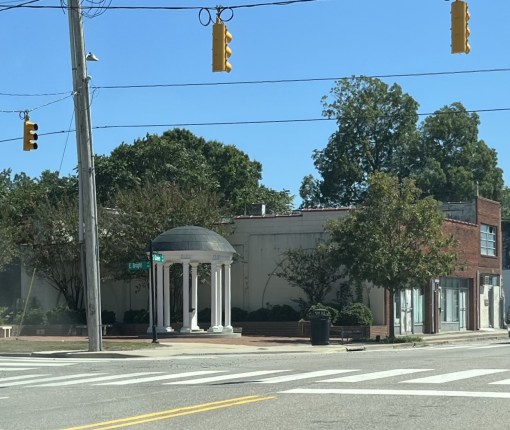
Driving through downtown Kinston on South Queen Street, I was taken aback to see an exact replica of the Old Well on the corner in front of me. The Old Well is an iconic symbol of UNC and of course I had to know why there was a copy of it in this particular spot! What I discovered is that Kinston has produced more than just UNC basketball greats. Harvey Beech was one of several trailblazing Black students who integrated the university in the early 1950s, gaining admission to the law school with the legal assistance of Thurgood Marshall. Beech went on to live a remarkable life in Kinston and was honored by the town with this symbol of the school he had to fight to attend. For a town of around 20,000 people, Kinston has produced a significant number of remarkable individuals.
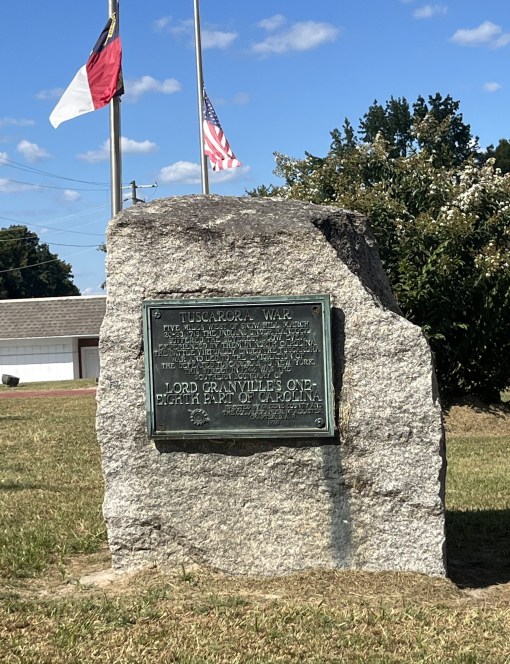
The last stop on my journey was Greene County. For centuries before the arrival of Europeans, this land was home to the Tuscarora. Today, on the courthouse lawn in Snow Hill, a stone marker commemorates a nearby battle that led to the death or capture of nearly 1,000 Tuscarora in 1773. This defeat ended a three-year war with colonists and drove the Tuscarora north from their homeland where they joined with the Iroquois League in present-day New York. (Flags in the picture are half-staff in honor of Michael Verardo, a US Army Afghanistan War veteran who advocated for wounded veterans and their families.)

Traveling country roads through this fascinating state of ours, there are constant reminders that, whenever and wherever human beings make their home, you will find evidence of violence, militarism, and discord that has touched even the most seemingly peaceful corner. Where we humans dwell, strife and beauty inevitably go hand in hand.

September 3, 2025 – Counties #69, 70, 71, and 72 – Onslow, Jones, Lenoir and Greene

Different Strokes

It’s not uncommon for people from North Carolina to take a family trip to Pennsylvania to tour Gettysburg, visit the chocolate factory and amusement park in Hershey, and go to the area around Lancaster known as Amish country. Our family made that trip in 1995 and we still fondly remember the amazing Amish bakery we came across in the midst of Pennsylvania farmland. It is a little strange though to think that we included in our vacation plans an excursion that consisted of driving by and looking at people who are different from us.
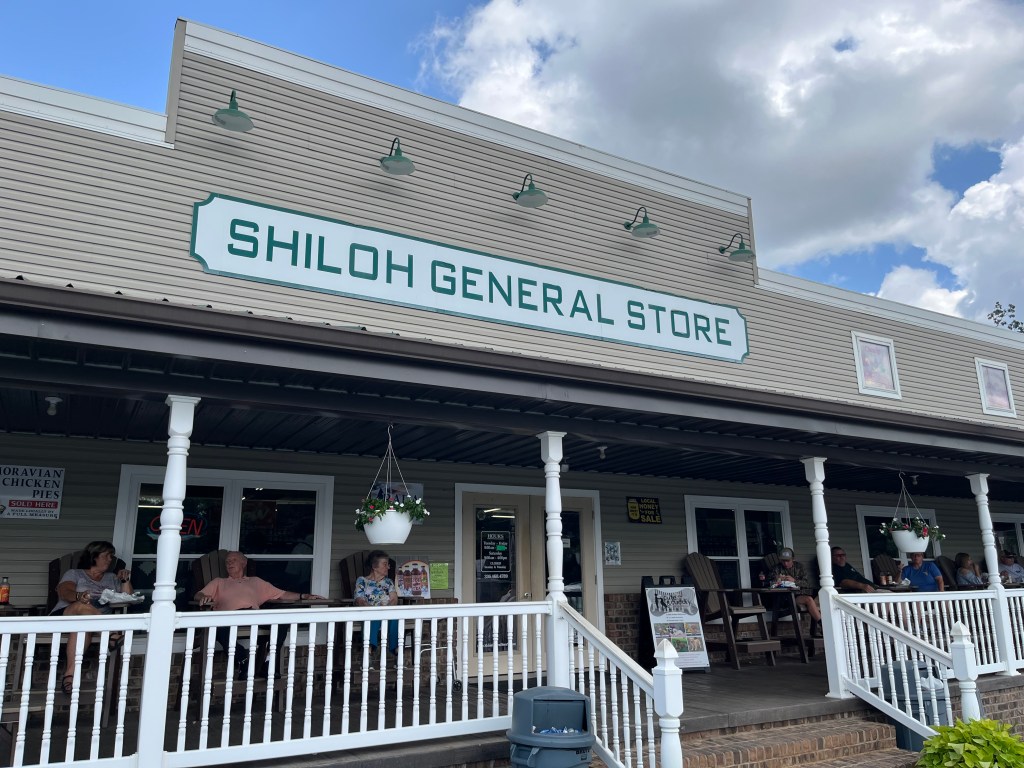
There aren’t many Amish communities in North Carolina but a small one was settled forty or so years ago in western Yadkin County. The new arrivals established the Shiloh General Store in Hamptonville, with grocery items, baked goods, jellies and jams, and furniture, mostly created by the Amish people living in the area.

Katy and I stopped by the store for a visit after a morning in Mount Airy and were impressed by the quality of the products. Luckily for us it was lunchtime because they sell delicious sandwiches with chips for the incredibly low price (for 2025) of $6.99. All of the people in the store were Amish, most of them young, and very friendly. As we sat outside eating our inexpensive lunch, two young men in Amish garb rode by on bicycles. Again, I wondered at the spark of excitement I experienced simply seeing people who live and dress differently than I do.

The South is stereotyped as a monolithic society made up of conservative white people. Thank goodness our state is far more diverse than that! From members of an Indian tribe in Robeson County fighting for recognition, to natives of Ocracoke who still speak as their ancestors did centuries ago, to scientists at the Research Triangle worried that their important work will be defunded, to children in Charlotte heading to soccer practice, to immigrants from Mexico working construction in eastern NC, to community college students studying hard in mountain communities and, yes, to Amish people in Yadkin County, we are all North Carolina. May we always celebrate – and respect – our differences.

August 1, 2025 – County #68 – Yadkin

I Can Breathe In a Small Town

For thirty-five years, I managed a local nonprofit organization and for most of those years my friend Frances was the director of another. Nonprofit work can bring its share of challenges and frustrations. When things got especially stressful, Frances and I would fantasize about one day writing a book on the Sheriff Andy Taylor Style of Nonprofit Management.

Of course, our inspiration was The Andy Griffith Show, a sitcom that ran in the 1960s, set in the mythical small town of Mayberry, NC and clearly based on Andy’s hometown of Mount Airy. Sheriff Taylor’s easy-going demeanor could fool people into overlooking his strength and wisdom. His humility was sometimes misconstrued as weakness. Sheriff Taylor didn’t need to carry a gun to gain respect. Every episode carried valuable lessons for the work Frances and I were doing.

Although the show went off the air in 1968, it’s still rerun more than fifty years later. The town of Mount Airy has wisely capitalized on the show’s popularity, drawing tourists to ride in a Mayberry sheriff’s car, eat a pork chop sandwich at Snappy’s Grill, or visit Floyd’s Barber Shop.

Katy and I visited on a warm August day and were disappointed that Mount Airy is feeling more these days like a kitschy tourist trap than a celebration of small-town values. Gift shops were focused on the show’s buffoonish Barney Fife rather than on Andy Taylor, the sheriff with a strong moral compass. We saw that Floyd’s Barber Shop has closed and I couldn’t help but wonder if Mount Airy’s days of exploiting its ties to a fifty-year-old show are coming to an end as well.

In spite of the disappointment of today’s Mount Airy, Andy’s words of wisdom still resonate across the years as clearly as ever. America’s current leaders would do well to listen and learn.

“You know, being the sheriff of Mayberry isn’t about keeping folks in line. It’s about keeping folks together.”—season 1, episode 16.

“A badge isn’t a license to be important. It’s a reminder to serve the people who gave it to you.”—season 1, episode 2.

“When enforcing the law, it’s important to use both your head and your heart. One without the other won’t get the job done.”—season 3, episode 20.

August 1, 2025 – County 67 – Surry

You don’t need a weatherman to know which way the wind blows

As July of 2025 came to a close, a seemingly interminable heat wave had settled over much of North Carolina. This was on the heels of tropical storm Chantal flooding parts of Chapel Hill. leaving the first floor of my daughter Katy’s condo uninhabitable. One extreme weather event after another drove us to seek respite in the foothills of our state. We needed a break!

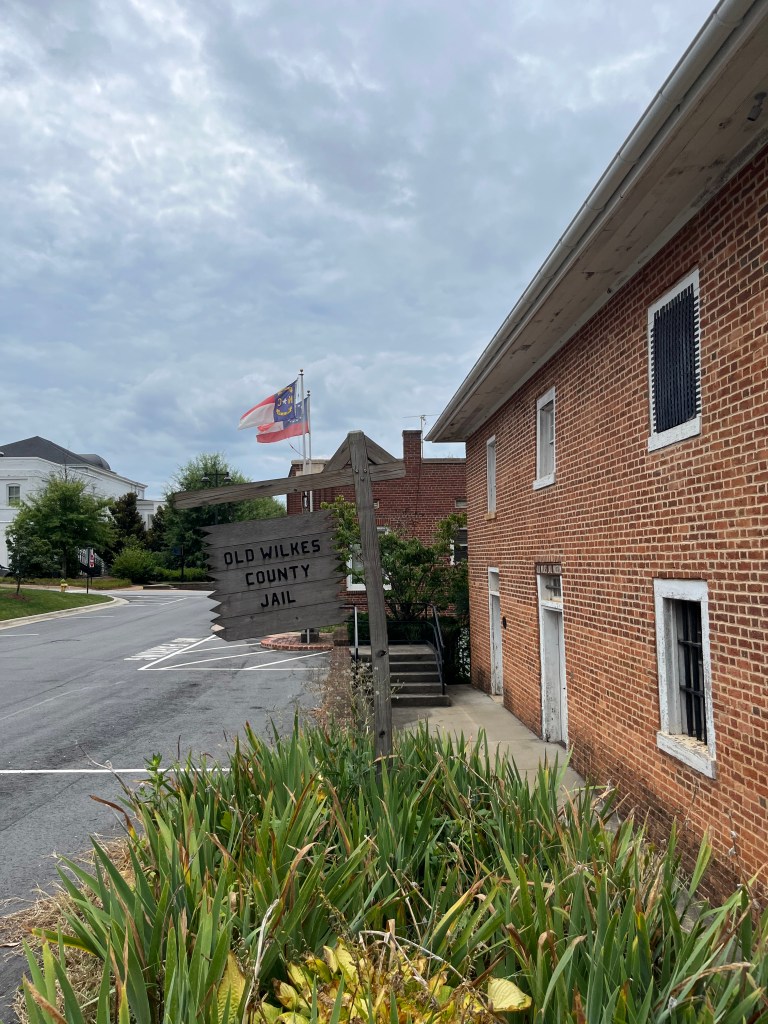
The first stop of our journey was at the Old Wilkes Jail in Wilkesboro. The spot was of interest to me because it’s where Tom Dula was held for the murder of his lover Laura Foster in 1866. The folk song, Tom Dooley, has helped keep the story of this tragedy alive. Over 150 years later, many believe that Tom died to protect the actual murderer, Laura’s cousin, Anne Foster Melton, but all that speculation doesn’t change the outcome.

(A Wikipedia story about the song Tom Dooley explains that his name was written Tom Dooley in the famous song because “the pronunciation of a final ‘a’ like ‘y’ (or ‘ee’) is an old feature in Appalachian speech, as in the term Grand Ole Opry” Reading this took me back to my befuddlement when I was first introduced to my husband’s Appalachian family, and found that Aunt Lindy and Uncle Ezry’s names were spelled Linda and Ezra.)
From Wilkes County, we drove to Banner Elk and were saddened to see evidence of the destruction wrought by Hurricane Helene ten months after it hit the North Carolina mountains. We did find dark humor in acknowledging that at times it was hard to distinguish storm destruction from man-made junk collections. Still, knowing how stressful Katy’s recent flooding experience had been, we could hardly imagine the trauma Helene had brought to this area. It was heartening to see rebuilding and repair all around us.

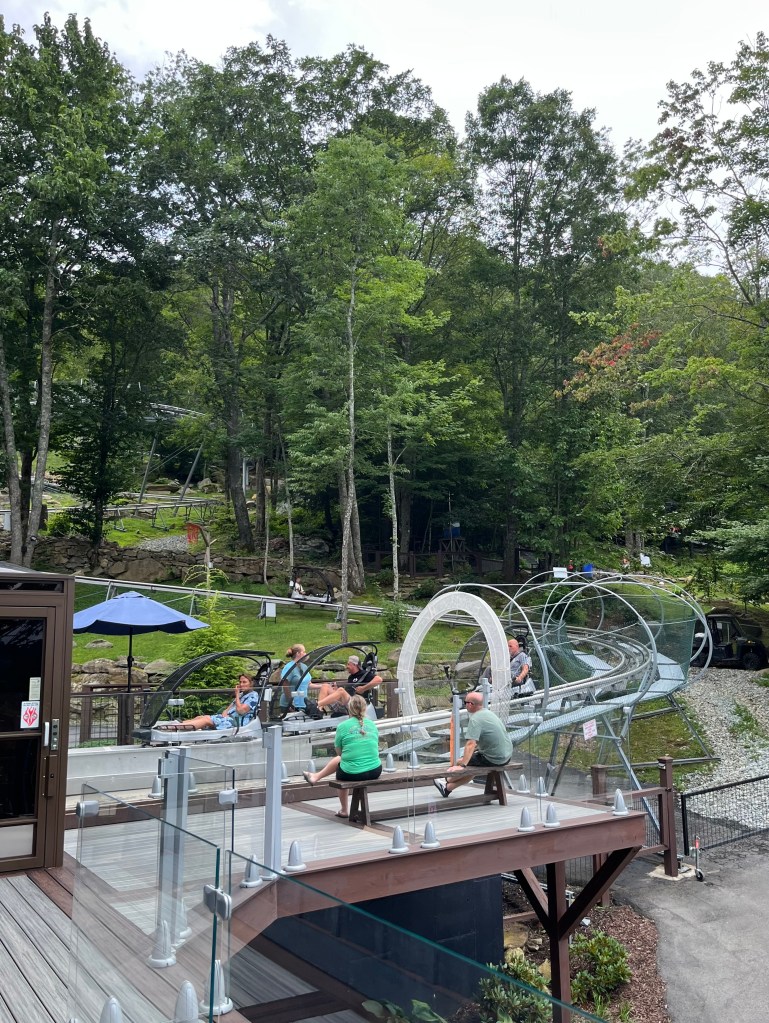
In Banner Elk, we took a spin on the Wilderness Run Alpine Coaster where, even though riders exercise control over the speed of their cars, I found out the hard way that the proprietors prefer you not keep the brakes on for the entire trip. It was a fun if un-exhilarating ride for me! From Banner Elk we drove down an exceptionally twisty mountain road to Boone and then on to Ashe County, making a tasty stop in West Jefferson at Ashe County Cheese, before arriving at our day’s final destination, the River House Inn.

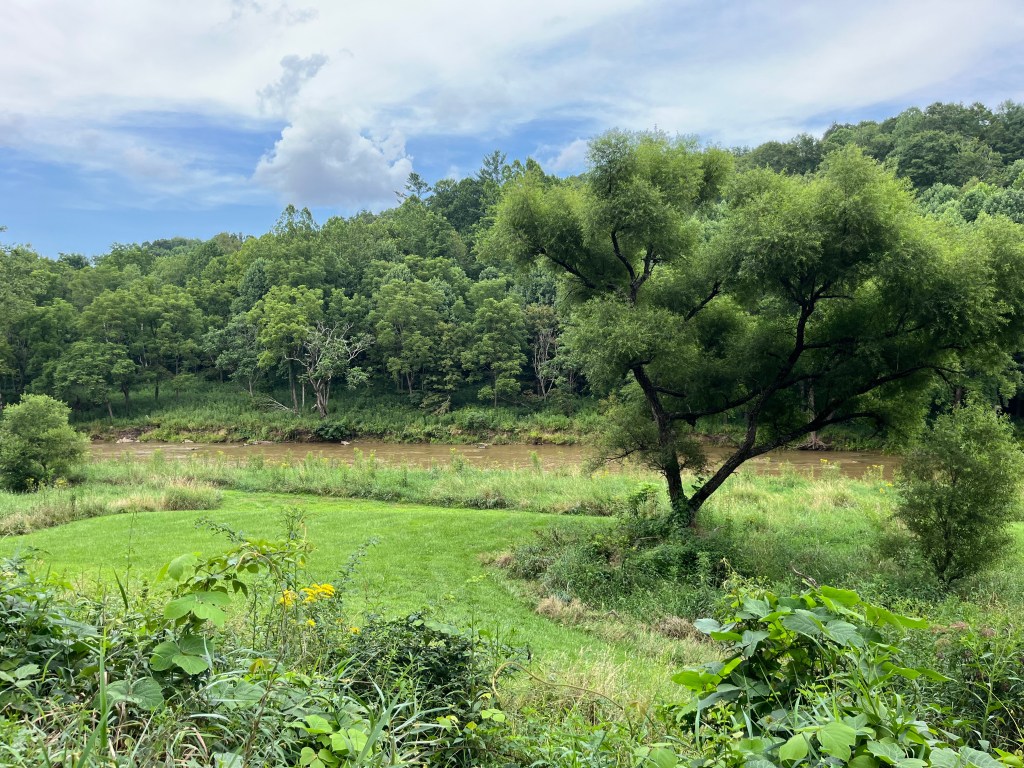
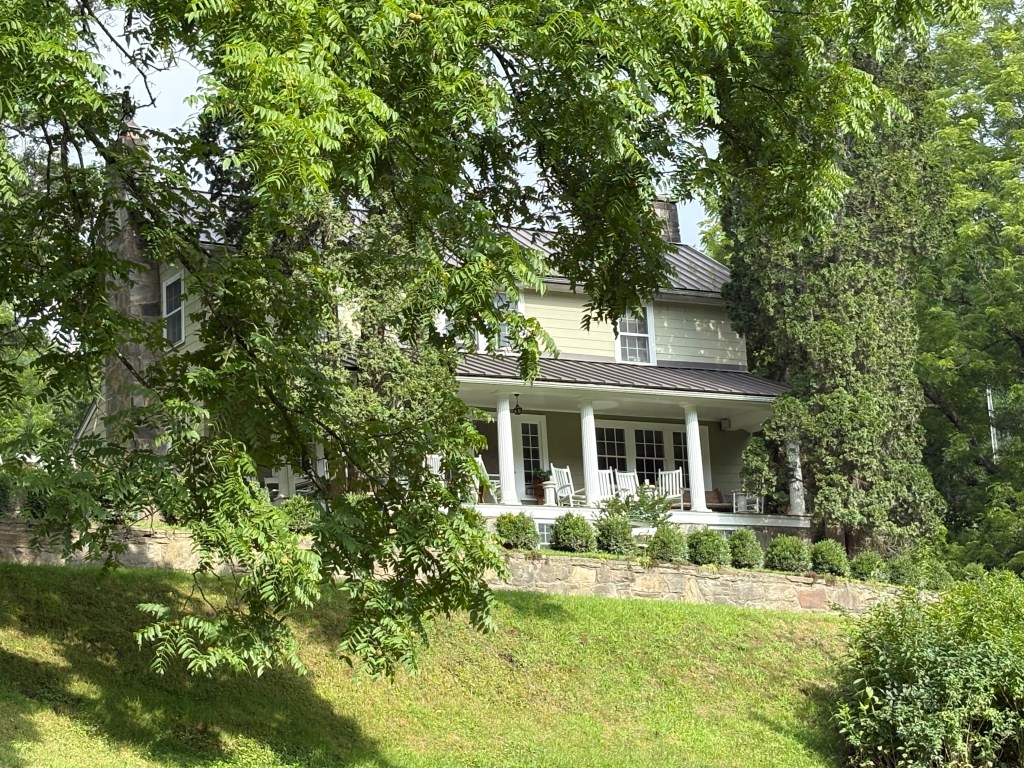
The River House Inn is a true gem that Katy had uncovered online. Nestled on the New River in a remote area of northwestern NC, the inn is the epitome of charm. The property was purchased and renovated by Gayle Winston, an Ashe County native who lived a storied life in New York City before returning home to the Blue Ridge Mountains. I was thrilled to read that Gayle was a fellow recipient of the Order of the Long Leaf Pine, while also feeling humbled by her many accomplishments. Sitting in front porch rockers looking out over the river framed by wooded hills was a welcome respite, allowing us to appreciate that nature’s power brings us both joy and grief.

July 31, 2025 – Counties #64, 65, 66 – Wilkes, Avery, Ashe

Stoneman’s Cavalry Came and Tore Up the Tracks Again

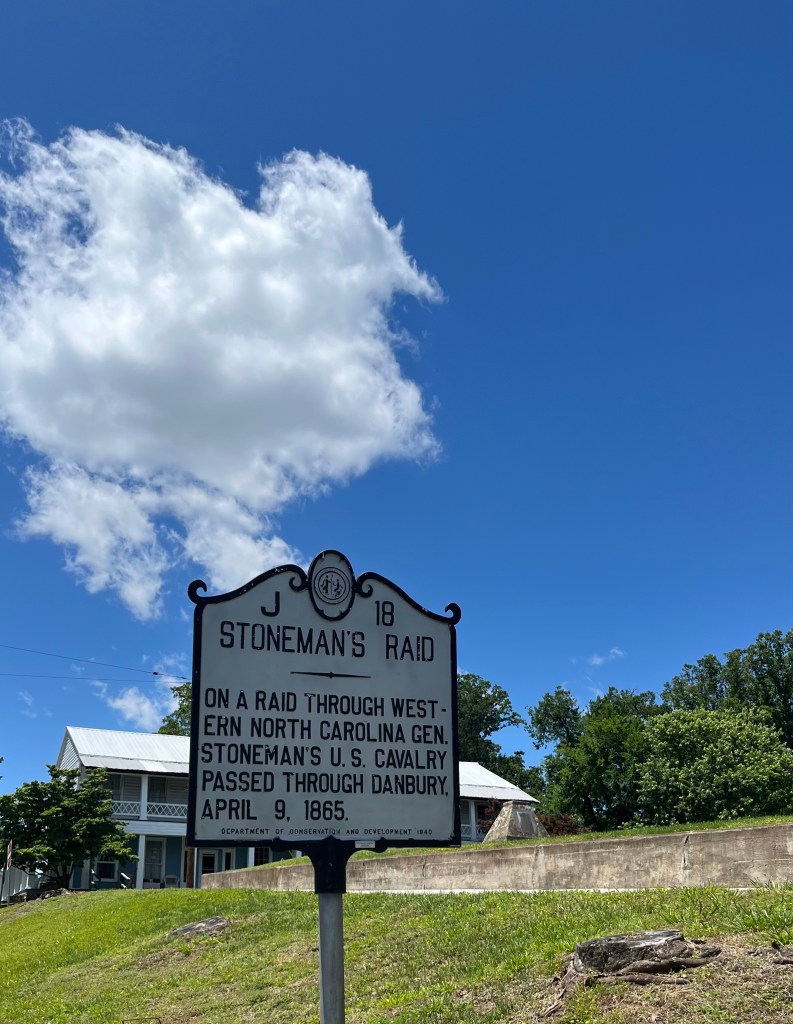
It was a pleasant spring day in May as my daughter Becca and I drove through the small town of Danbury on our way to Hanging Rock State Park. In Danbury, the county seat of Stokes County, we happened upon a scenic historic district and a marker telling us that Stoneman’s Cavalry had come through this way in the waning days of the Civil War. I was excited by this news, just as I had been when my daughter Katy and I came across a similar marker in Boone (see Wintry Watauga, May, 2014). I believed that Seth Freeman, my daughters’ great-great-great grandfather fought with Stoneman which makes Stoneman’s travels of special interest to me. Standing near the marker and Moody’s Tavern where Stoneman was housed, I let myself be carried away with images of Seth Freeman, a young man in his mid-twenties, walking these same streets more than a hundred and fifty years ago.

We like to think of history as a straightforward timeline, where right and wrong are readily apparent. But history is nothing more than the story of human beings who came before us and experience should have taught us by now that the stories of human beings are complicated and messy! When I first began looking into the life of my husband’s ancestor, Seth Freeman, a young Madison County farmer at the start of the Civil War, I assumed Seth fought for the Confederacy. Much to my surprise, I found that he fought with the Union. No sooner had I jumped to the conclusion that he was a principled hero standing up against slavery than Seth’s grandson (my husband’s grandfather) told me Seth had not wanted to fight for either side. Instead, he hid out in a cave for some time, attempting to escape having to serve all. Even later I discovered Seth had been charged with desertion from the Union forces he’d eventually signed with and later still, I found papers that indicated that the desertion charge had been rescinded.

Whew! Most of us probably have stories like Seth’s, filled with twists and turns. Maybe it’s the anxiety of life’s ambiguities that leads us to cling so fiercely to what we believe to be true, even when we’re faced with clear evidence to the contrary. I was reminded of this when I returned home from Stokes County and began reading up on Stoneman’s Cavalry. For years I’ve thought of Seth whenever I heard the line about Stoneman’s cavalry in The Band’s song, The Night They Drove Old Dixie Down. As I read though, I came upon the befuddling realization that Seth Freeman didn’t ride with Stoneman’s Cavalry! Instead, he was part of another notorious-to-Confederates group known as Kirk’s Raiders. Somewhere along the line, I had confused the two groups and put Seth with the wrong outfit. Sheepishly, I realized my Watauga County post of 2014 was based on an error on my part.

In our current frightening era of American history, it seems especially important to correct and own our mistakes. Even if we’ve joined a chorus of people loudly singing praises of the emperor’s new clothes, for example, we need to take a second look and allow ourselves to admit when we see the emperor is irrefutably naked.

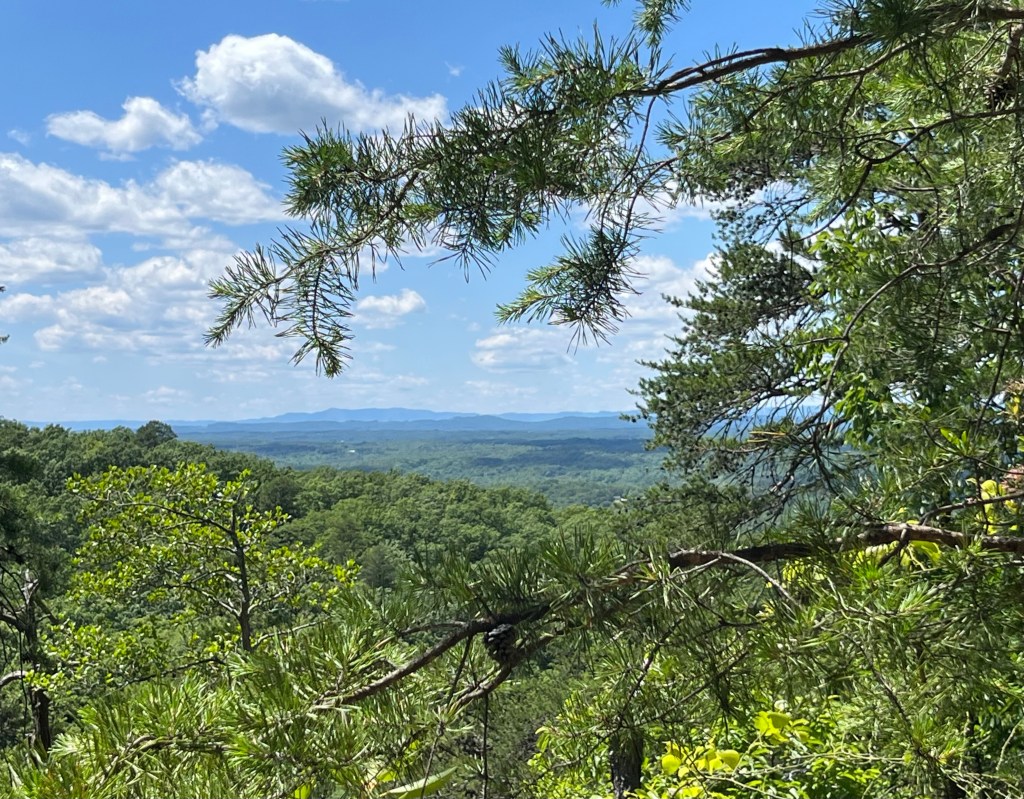
Stokes County is in the Appalachian foothills, with roads as full of twists and turns as Seth Freeman’s Civil War years. Various bends on our winding route brought us panoramic views, moments of humor, and sites where history was made, along with the always-necessary reminder to keep our hearts and minds humble and open to correcting false assumptions and learning something new.

May 23, 2025 – County #63 – Stokes

Tar Heel Born, Tar Heel Bred

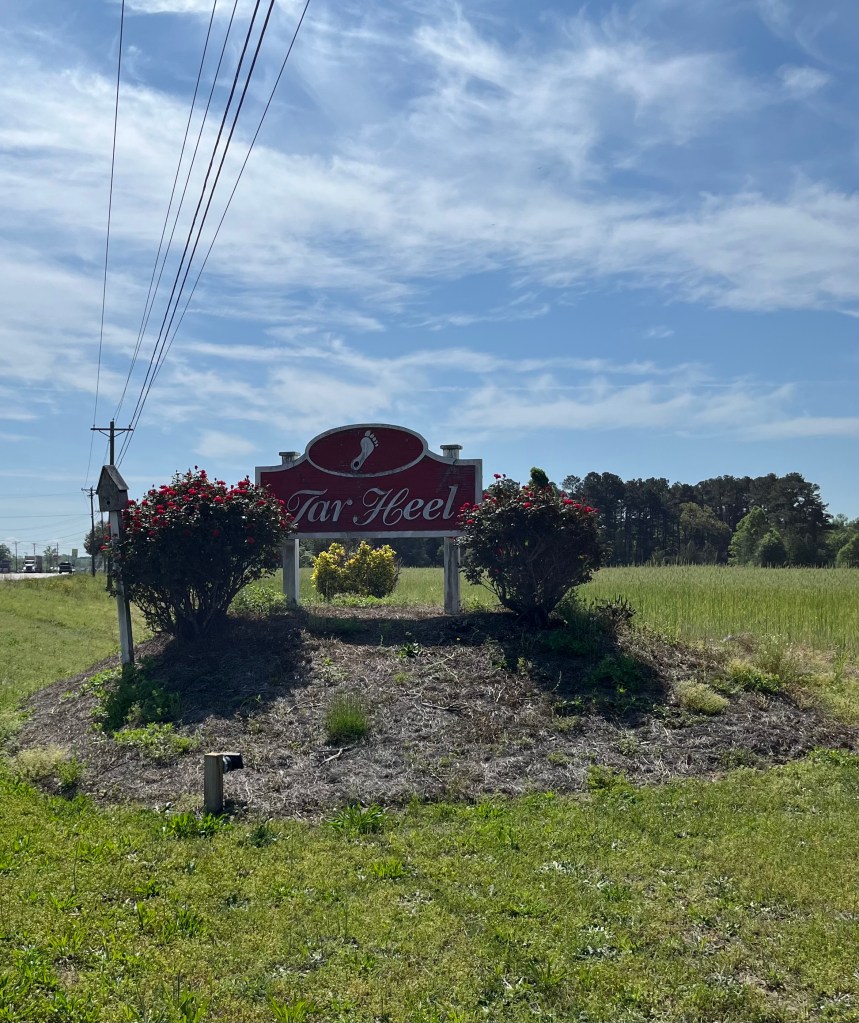
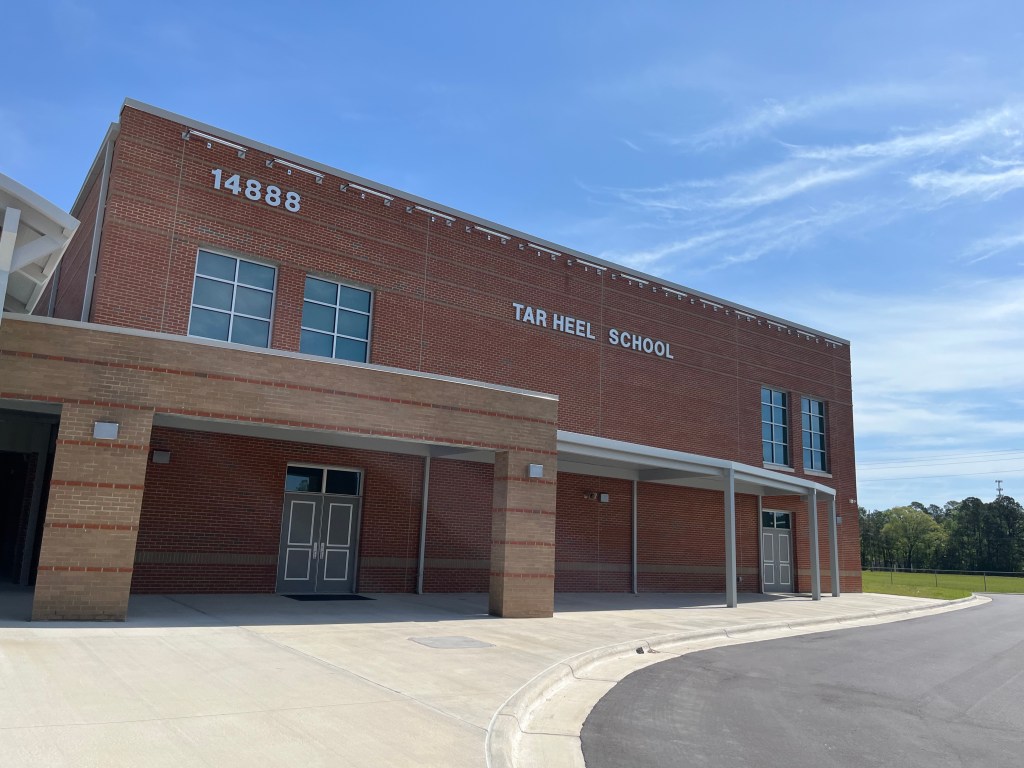
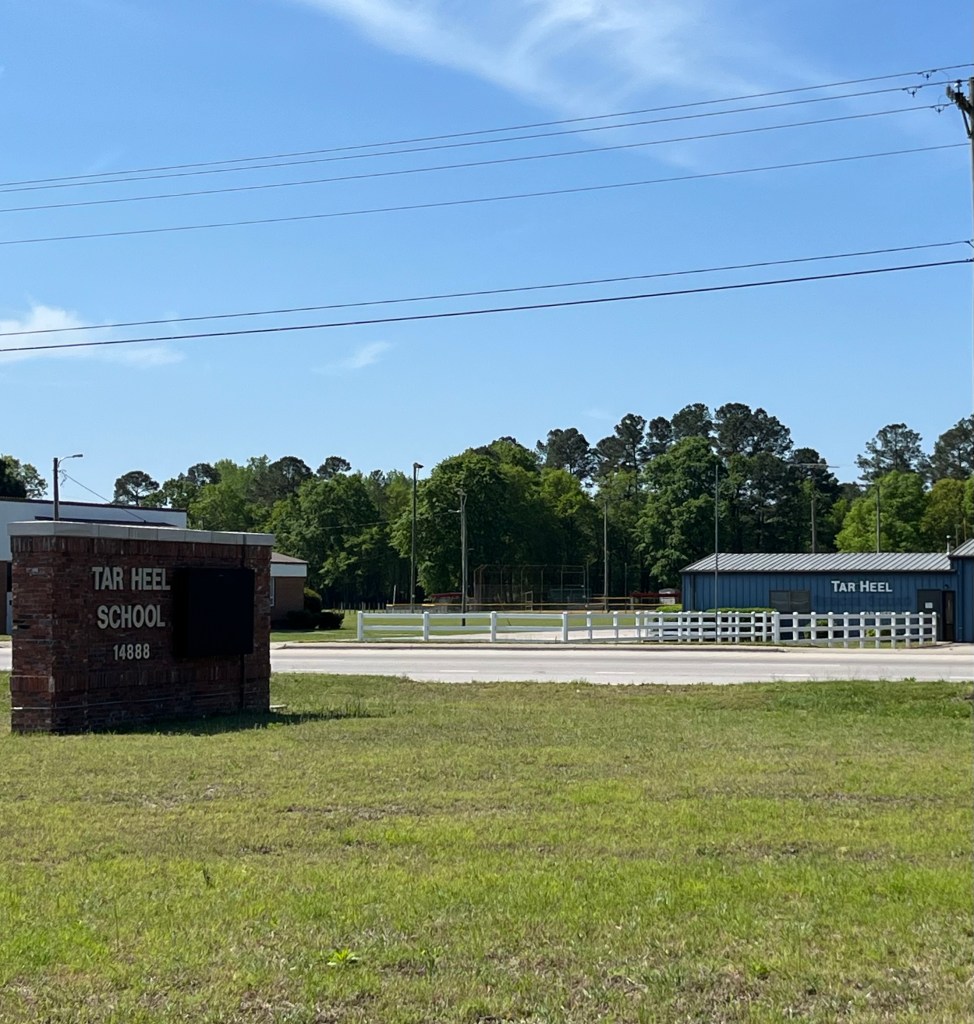
My favorite great-niece was turning eleven in April so my daughter Becca and I headed down to Myrtle Beach to help her celebrate. On our way, we came upon the small town (population 90) of Tar Heel, NC in Bladen County. As a diehard UNC fan who was Tar Heel bred and the mother of two people who are Tar Heel born AND bred, our state nickname is near and dear to my heart so it was a thrill to get to spend a few minutes in a town called Tar Heel. There may only be 90 residents but they are proud to proclaim their town name!

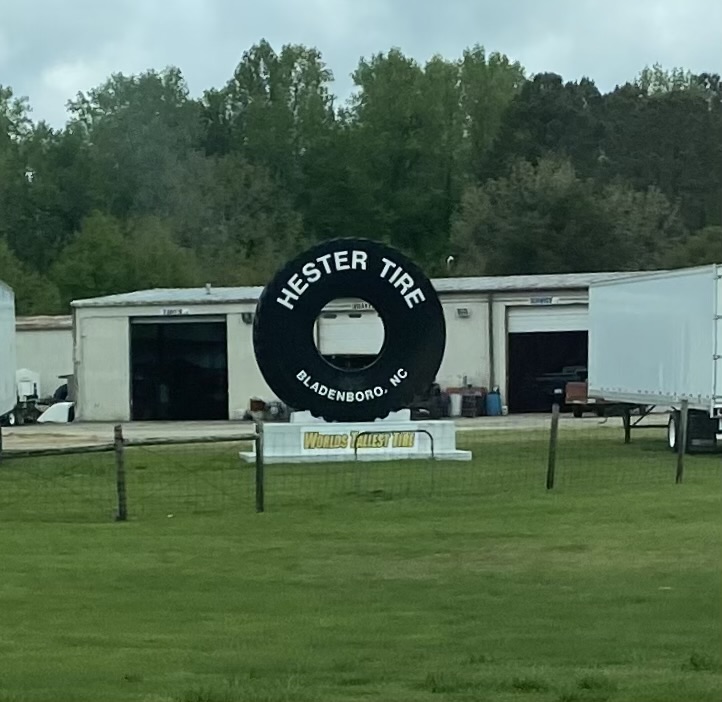
Bladen County is known to me mostly through stories from a treasured former co-worker, Scott, whose wife Jen grew up in Bladen. It’s a primarily rural county and Scott and Jen often joked that, whenever I took my quest to Bladen County, the only thing I might find of interest there is the world’s tallest tire. Imagine my delighted surprise when, at an intersection in Bladenboro, we came face to face with the famous tire! Between the tire and the town of Tar Heel, we discovered a couple of real treats in Bladen County.

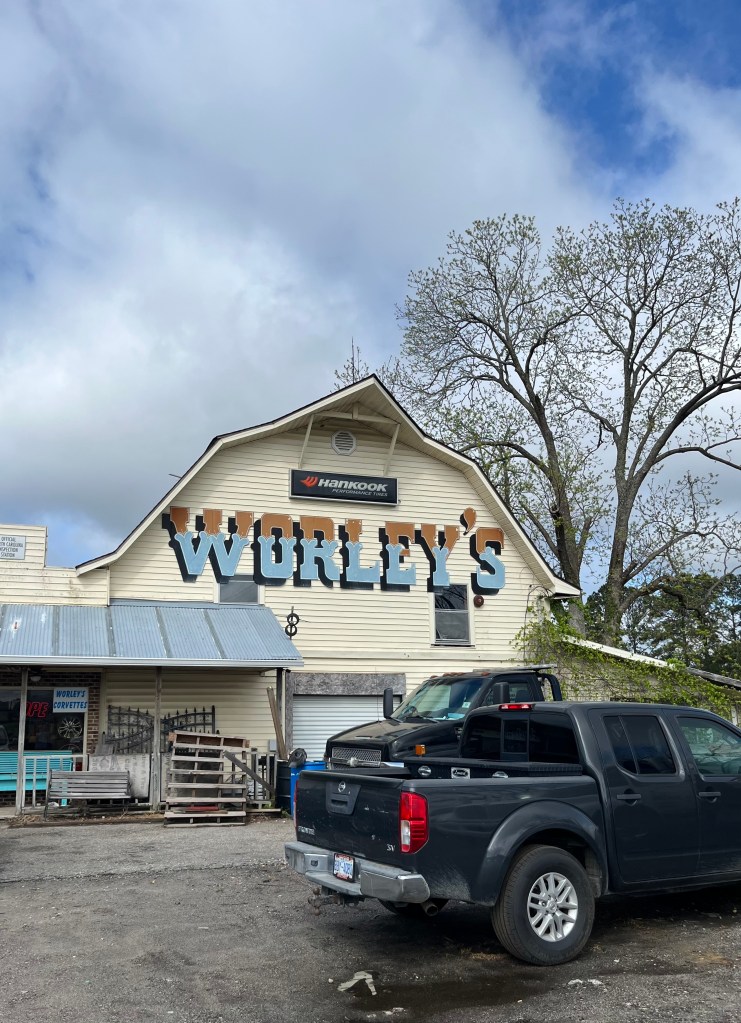
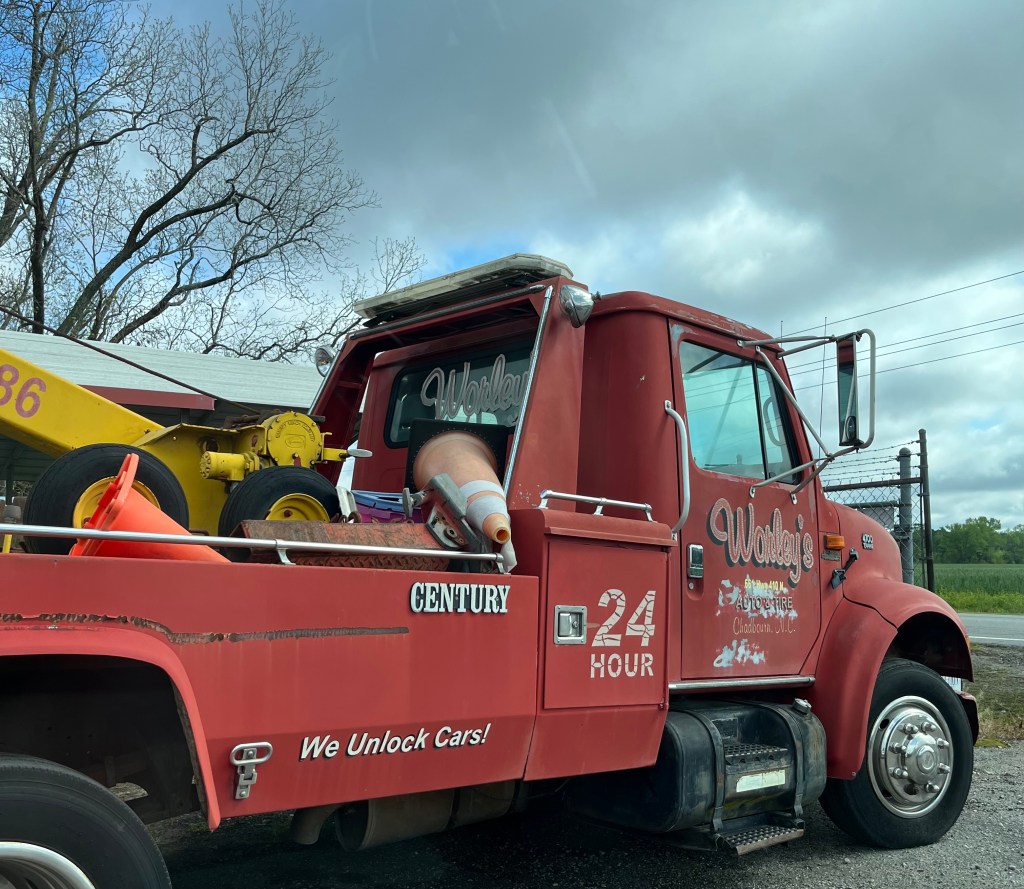
Traveling into Columbus County, we came upon another tire-related surprise when we drove past a tire and automotive shop with a familiar name.

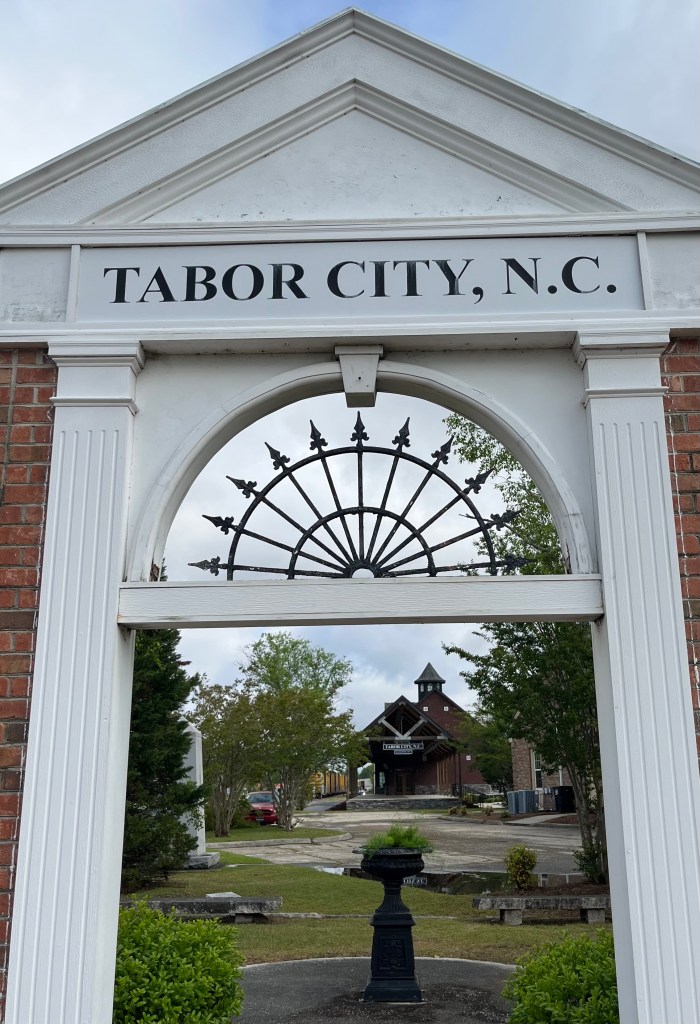
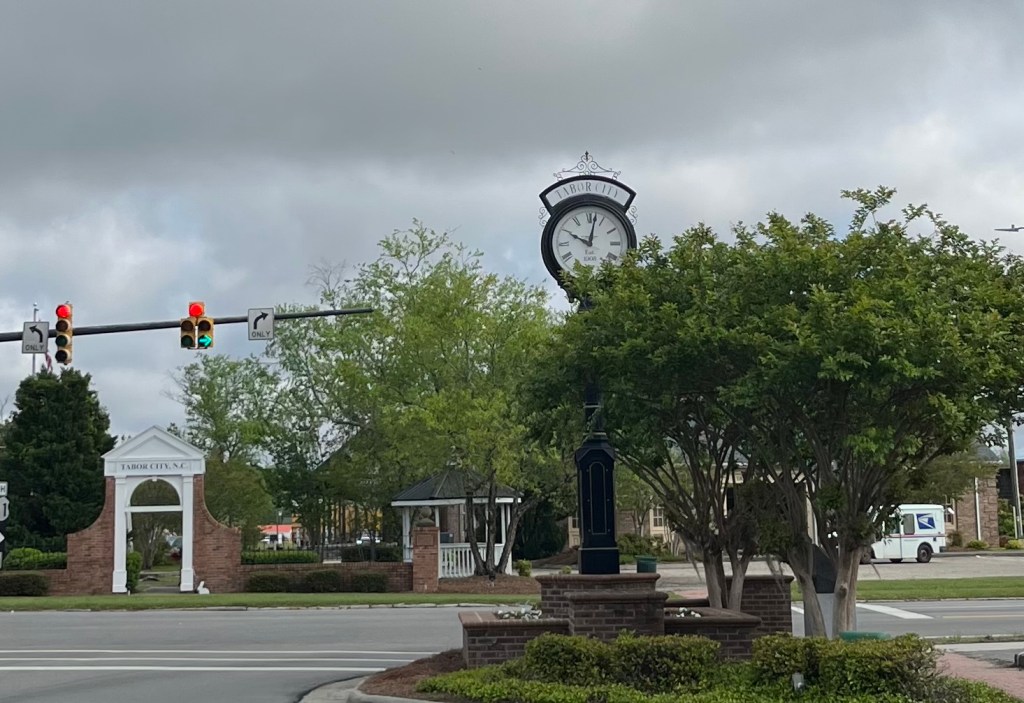
Just south of Bladen, Columbus County is sparsely populated and primarily rural. In the 1950s, Columbus County was the site of notorious acts of racism and inspiring acts of courage. The Ku Klux Klan initiated a reign of terror in 1950, assaulting and abducting Black Columbus County residents. Two local newspaper editors, Horace Carter of the Tabor City Tribune, and Willard Cole of the Whiteville News Reporter, took spirited stands against the KKK’s actions, eventually bringing in FBI involvement that ended with the arrest of Klan leaders. With the victory against Hitler still fresh in the minds of Americans, Carter called out the Klan as “the personification of Fascism and Nazism.” In recognition of Cole and Carter’s courage, the two men were awarded the 1953 Pulitzer Prize for Public Service. In a time when our democratic ideals are in peril, driving through Tabor City was a happy reminder that, whether in small towns or large cities, individual acts of bravery can shift the course of history.

April 10 – April 11, 2025 – Counties #61 and 62 – Bladen and Columbus

Between the dawn and the dark of night

October is a beautiful month in North Carolina. This past October 21st, I awoke to blue skies and balmy temperatures (I’m not sure when being woke became a pejorative; it seems like an excellent frame of mind to me!). A monumental election was just around the corner. It was the perfect day for a road trip.

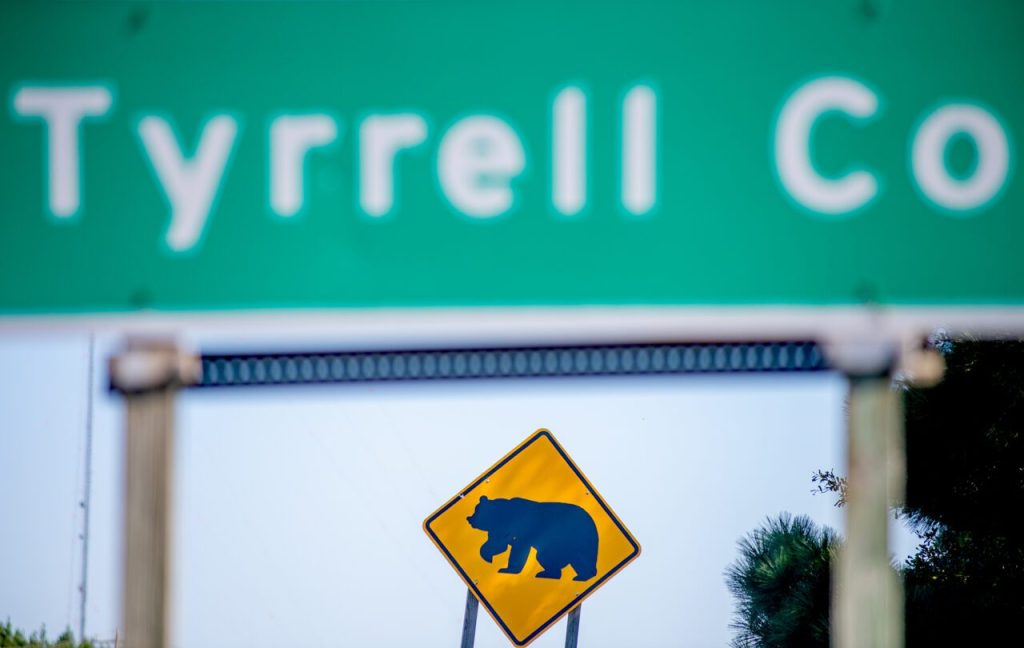
I headed east and made my first stop in North Carolina’s least populous county, Tyrell. Not surprising that in a county of just 3,245 people, the first road sign after crossing the county line is a bear warning.

(I failed to get a picture as I drove past so found this one online.)

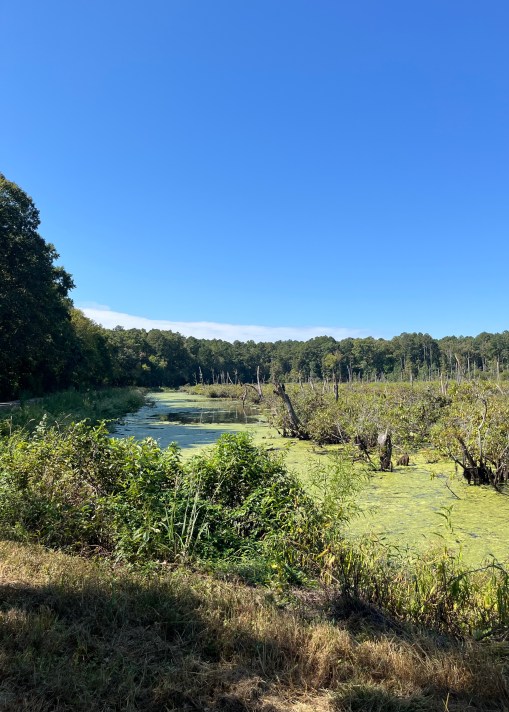
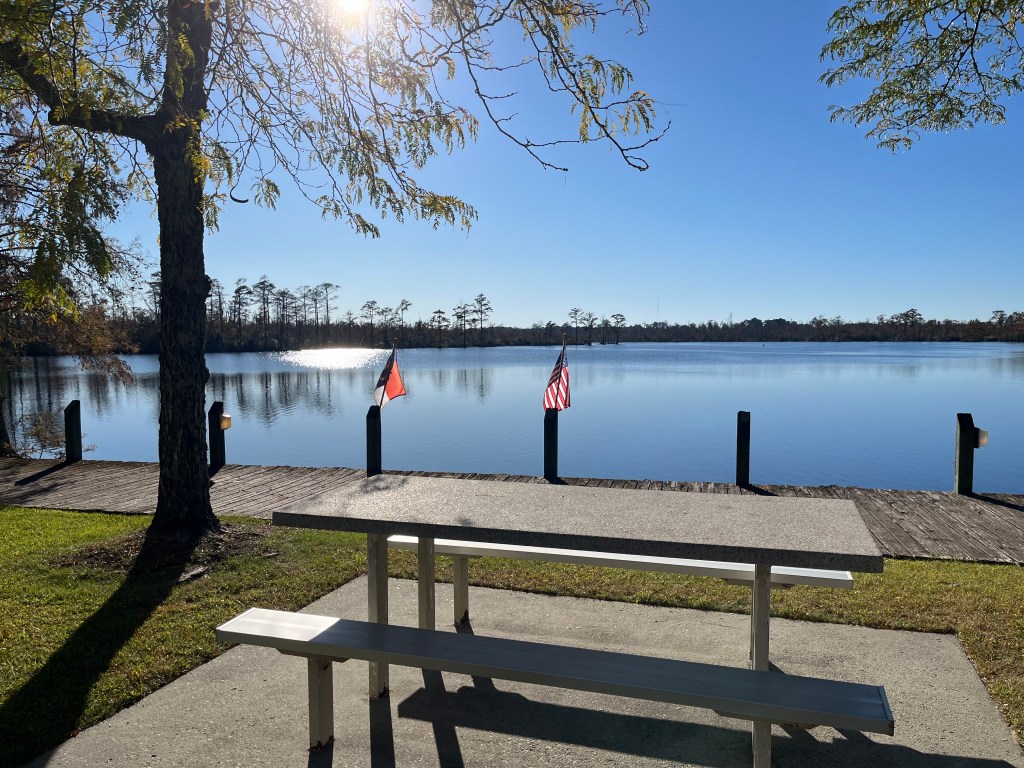
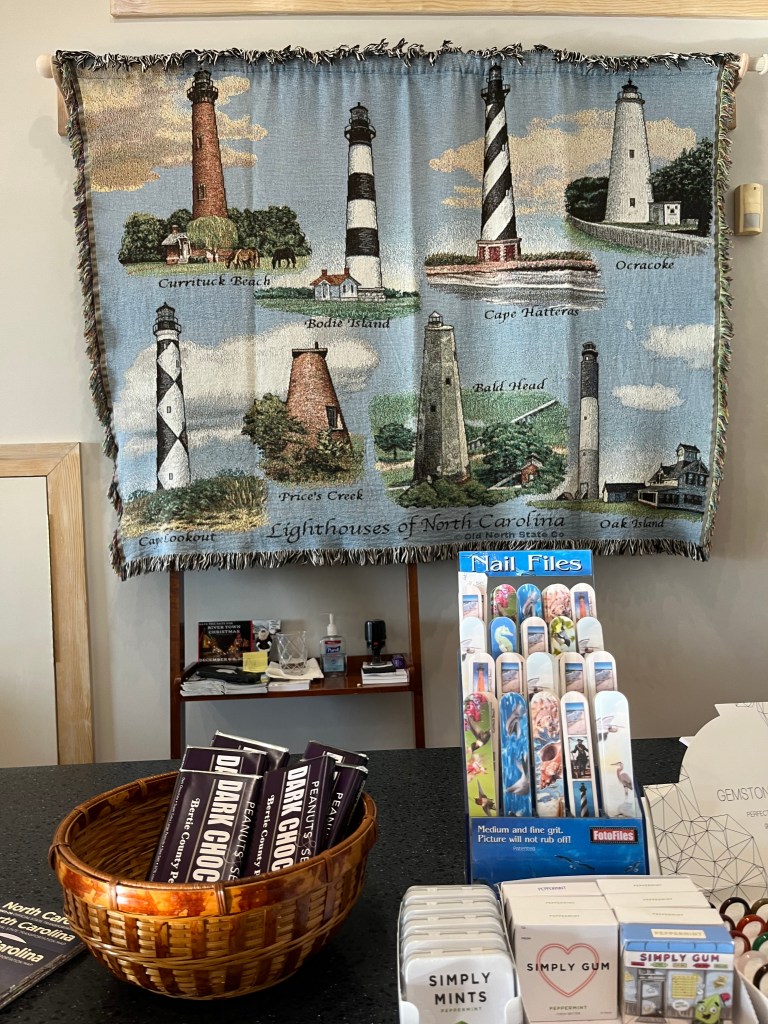
What may be surprising is that a county with so few human residents is home to the absolute best rest stop in all of North Carolina. I would say it’s the best in the whole United States but I had the good fortune of stopping at the Lewis and Clark Rest Stop in Chamberlain, SD a few years back and, as much as I appreciate the Scuppernong River winding its way through Columbia, NC, the view of the Missouri River from the bluffs of South Dakota is hard to beat. Still, the quiet beauty of a boardwalk stroll along the banks of the Scuppernong, at the gateway of the Pocosin Lakes National Wildlife Refuge is a welcome respite for travelers and one many vacationers headed to the Outer Banks take advantage of. If the natural beauty isn’t enough, this rest stop includes a friendly gift shop featuring dark chocolate bars with Bertie County peanuts. I could’ve ended my trip right there and called it a success but more coastal NC counties were calling to me.

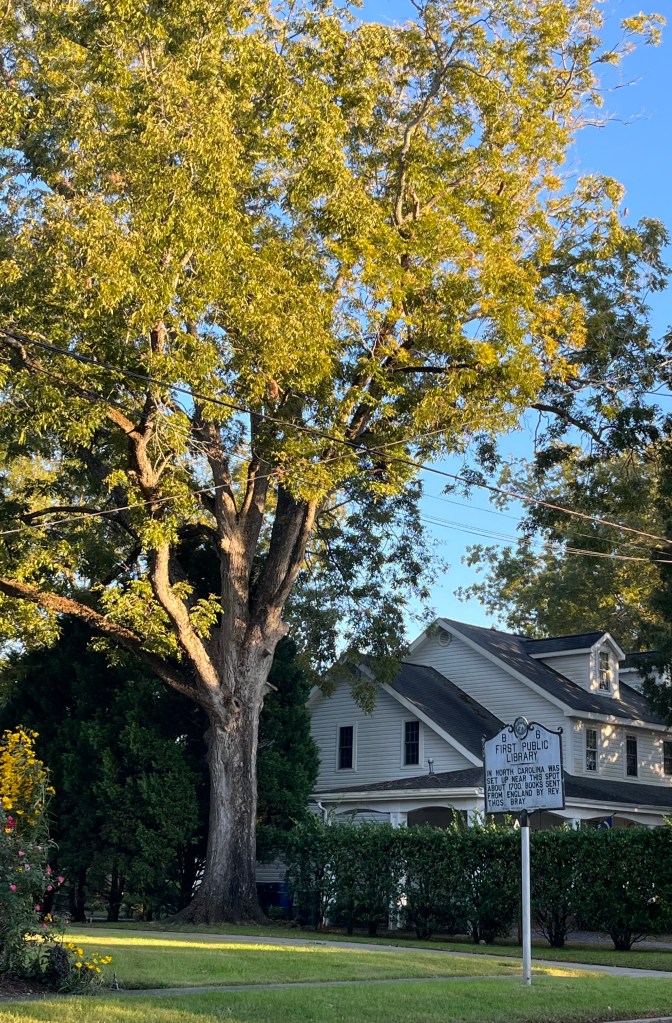
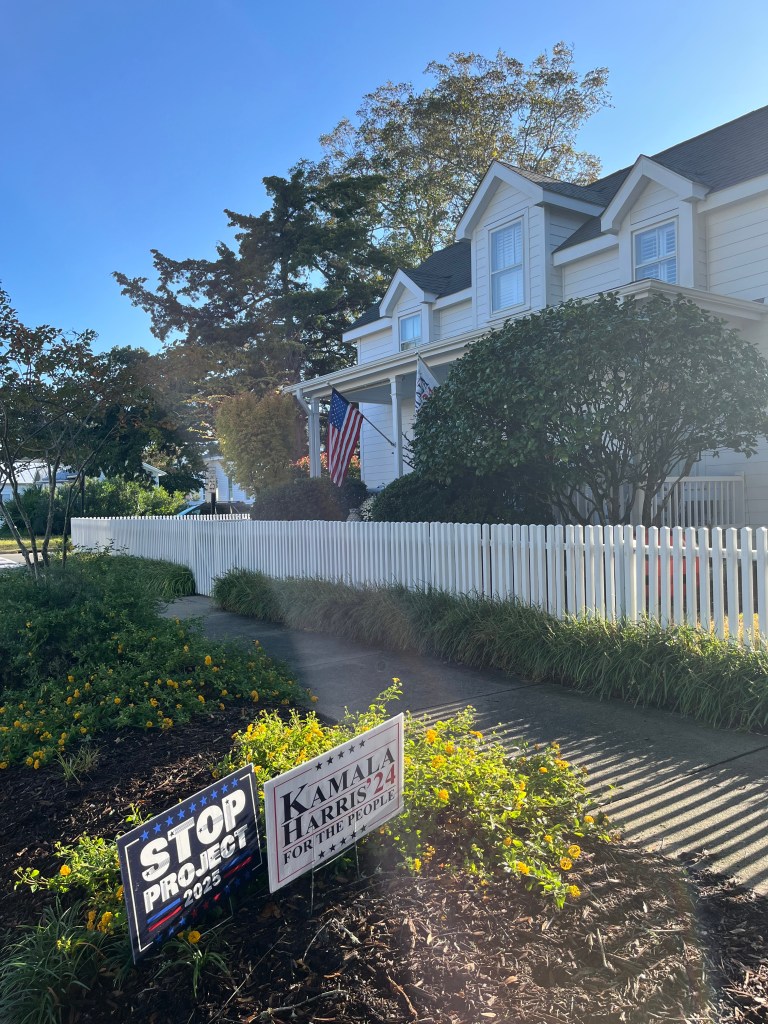
Next on my route was Beaufort County which you may be as surprised as I was to know is not the home of the city of Beaufort. It is home though to Bath, our state’s oldest town, a fact I still retain from Ms. Winner’s seventh grade NC history class. Coming upon Bath’s historic district, I discovered that it was the site of our first public library and, judging by the many Kamala Harris signs I was heartened to see in the neighborhood, is still a place that values learning.

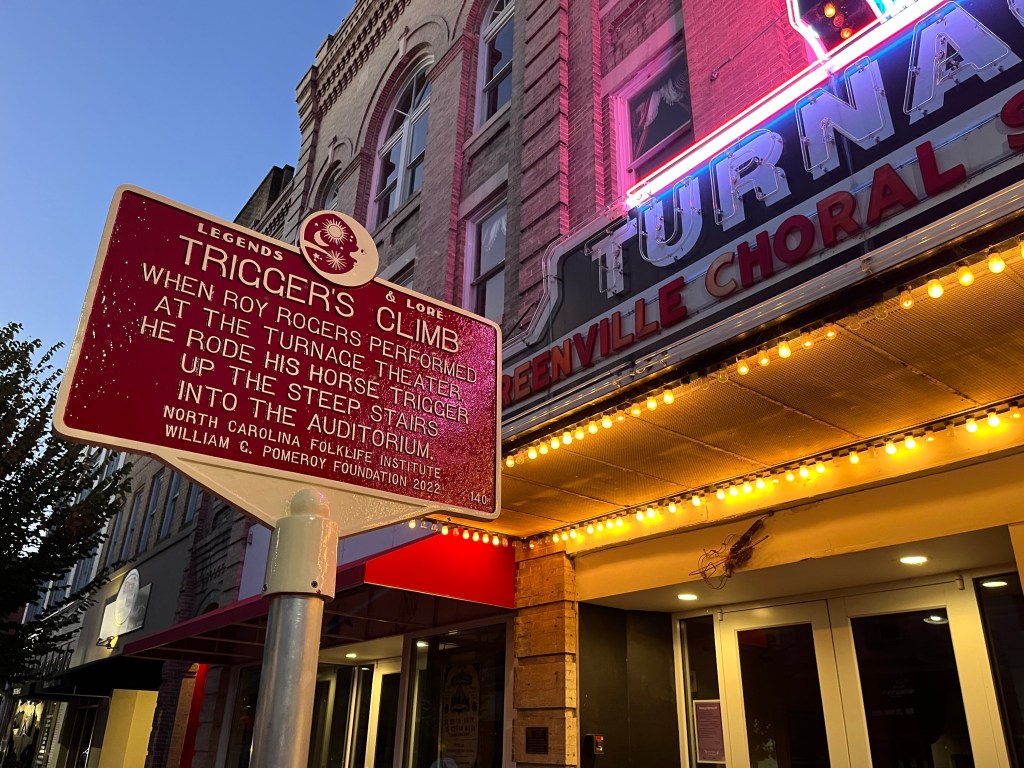
From Bath I drove to Washington, a town known by many people who aren’t from there as Little Washington – to distinguish it from our nation’s capital – and known by many people who are from there as Original Washington. It was a beautiful night to experience downtown Washington, stroll along the Pamlico River. and make the exciting discovery that my first extremely serious crush, Roy Rogers himself, once rode his horse Trigger up the steps of the local theater.

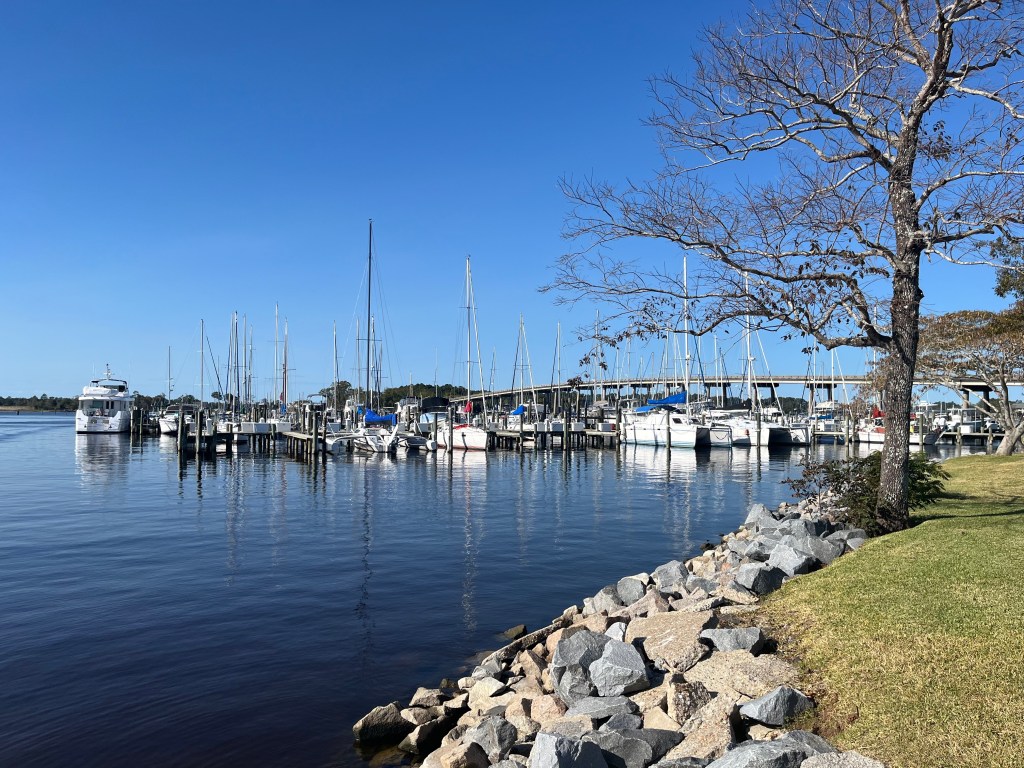
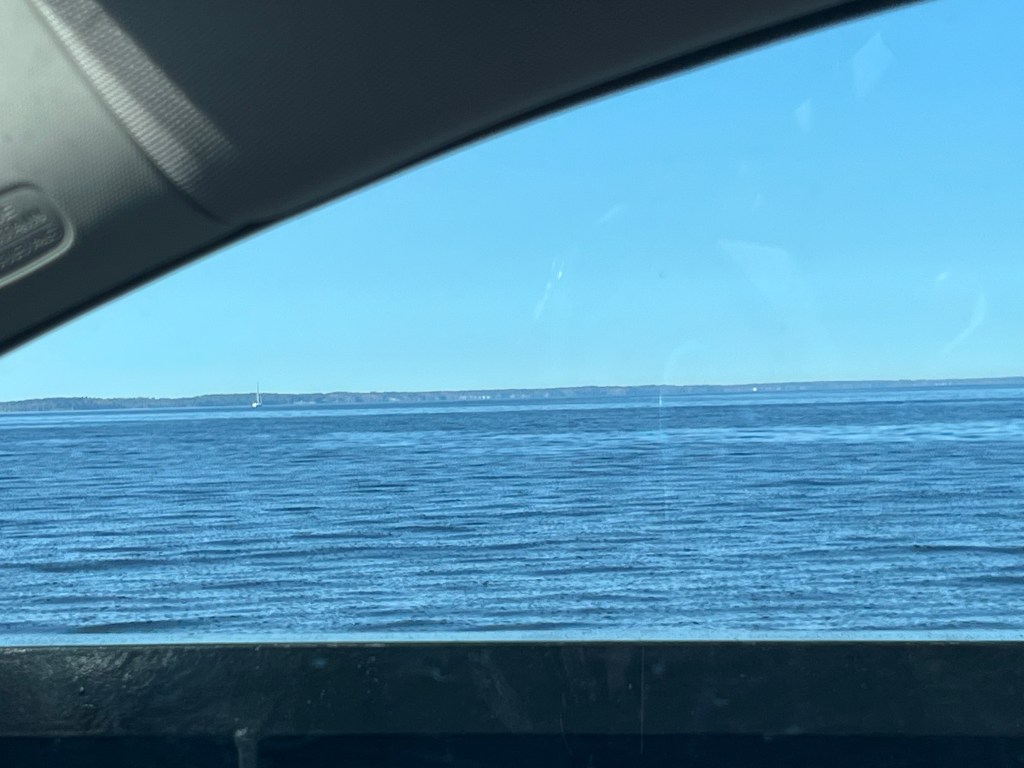
The next morning took me to Pamlico County, where I stopped in the village of Oriental, a sailing mecca that sits along the Neuse River and attracts sailors from up and down the Atlantic coast. From Oriental, I made my way to Beaufort (the town, which is in Carteret County) and was surprised when my GPS took me along a road that ended at a Neuse River ferry stop. The ferry ride was an unexpected treat, free of charge thanks to our state government, and it made for a direct and scenic route.

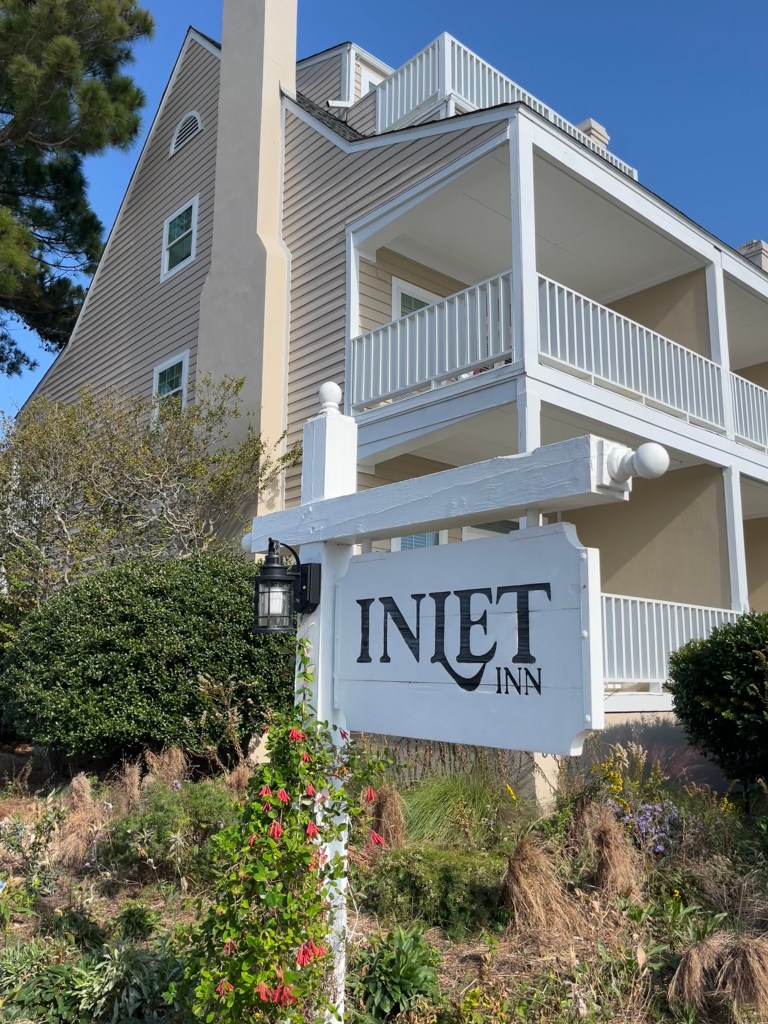
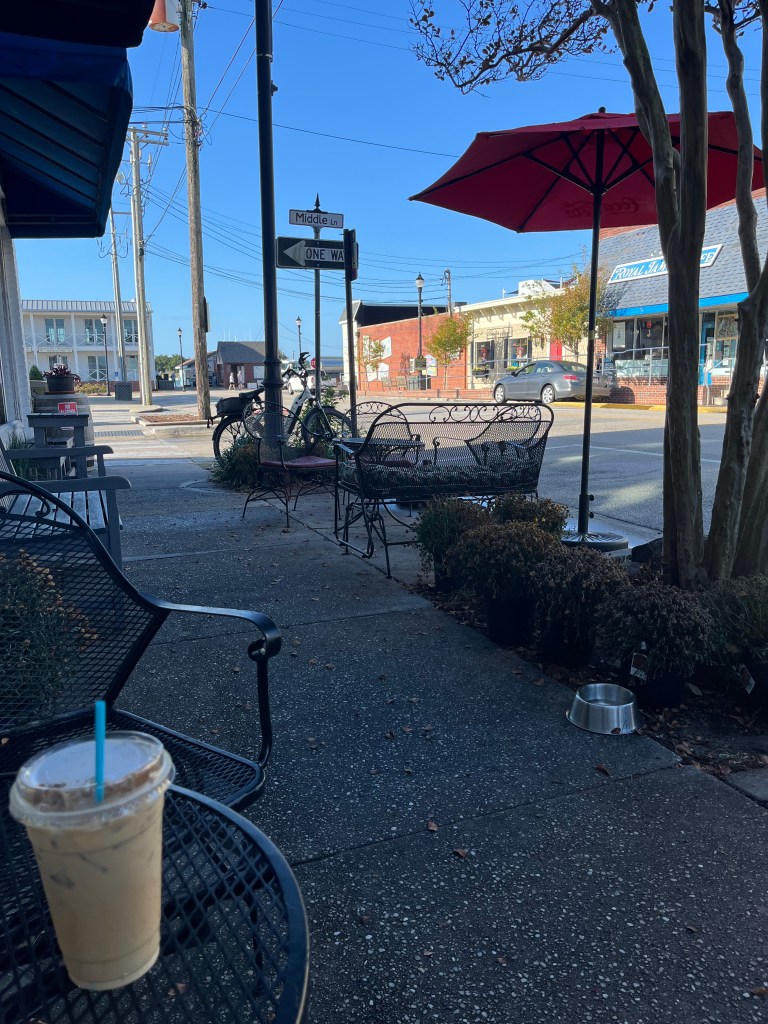
Shortly before my trip, I’d read a romance novel that was set in Beaufort. Maybe it was the book that colored my perceptions or maybe Beaufort is just that idyllic (and romantic!), but during my short visit I fell in love with this historic community. I was staying in a picturesque inn overlooking Front Street and Taylor Creek, within walking distance of amazing coffee shops, friendly neighbors, fun boutiques, a historic cemetery, and more Kamala Harris signs than I could count. I sat outdoors on an unseasonably warm day, drinking iced coffee, and enjoying the cordial banter among locals.

It was one of those experiences that seemed to capture all that is good in the world. I was so filled with hope and joy, taking in the moment, and anticipating a future in just a few short days in which our country celebrated our democratic ideals.

It’s hard to write about and think about that trip from my post-election perspective, when my prevailing emotions are now fear and dread and anxiety. Still, I’m hanging on hard to the idea that all the tiny moments of kindness and beauty and delight that can surprise us in isolated rest stops or ferry landings or small-town coffee shops will somehow come together and empower us to carry through in these dark days ahead.

October 21 – 23, 2024 – Counties #57, 58, 59, and 60 – Tyrell, Beaufort, Pamlico, and Carteret

Singing Sweet Songs of Melodies Pure and True

Robeson County has a notorious reputation as a hotbed of corruption, crime, poverty, and mistreatment of its sizable Lumbee Indian population. Robeson County’s colorful past includes a storied outlaw Indian who fought the Confederacy, a battle between Lumbees and the KKK, a takeover of the local newspaper office by Indian activists, and the murder of Michael Jordan’s father.

On a pretty spring day, I traveled to Robeson County with my friend Mia Burroughs and an open and curious mind. I’d heard tales of the place from my longtime coworker Scott Dreyer who attended Pembroke University (for seven years!) and now I was prepared to explore Robeson County for myself. Mia has become an avid birdwatcher in her retirement and the two of us planned to use birdwatching as a starting point for our explorations.

As we drove through the small and picturesque town of Red Springs on our way to Pembroke, we came upon the unexpected sight of an old, impressive school building with a sign telling us we were looking at the campus of historic Flora MacDonald Academy. Being devotees of the time travel series Outlander, Mia and I knew that Flora MacDonald was a Scottish heroine who lived briefly in North Carolina in the 18th century. Naturally we wanted to check out the place that bore her name! We wandered the scenic grounds and then entered the school building discovering, much to our surprise that this was not an abandoned building but an operating school now known as Highlander Academy.

A friendly staff member welcomed us and clued us in to the history of the school which opened in 1896 as a girls’ college and was named after Flora MacDonald to honor the Scottish heritage of so many in the area. Two of MacDonald’s children were even said to be buried in the nearby woods. Mia and I found our way to their gravesite but were disappointed when research (aka Google) let us know that it’s highly unlikely these were actually MacDonald’s daughters. Still, with a past that raised as many questions as it provided answers, our foray to Flora MacDonald Academy proved fascinating.

From Red Springs, it was a short jaunt to Pembroke, a school that proudly celebrates its native heritage, having originally been built at the behest of local Lumbees to train Indian teachers. Today Pembroke is one of the sixteen campuses of the University of North Carolina system. I was disappointed not to find the dorm my friend Scott had lived in while a student, but Mia and I did hear songs from a variety of birds as we walked the grounds, including pine warblers, red-bellied woodpeckers, eastern towhees, blue jays, and tufted titmice (thanks to Mia’s knowledge and her handy app for identifying those!). A stop for lunch at Slim Chickens turned out to be fortuitous because I later found the restaurant was on the exact spot where Scott had lived during his student days after moving out of his dorm. I found his place of residence after all (and the chicken was delicious)!

Our route home took us past Saint Andrews University in Scotland County, a Presbyterian college formed in 1959 with the merger of Presbyterian Junior College and none other than Flora MacDonald College. Unfortunately, we didn’t make it to Scotland County’s other school of higher education, Laurinburg Institute. Laurinburg Institute was created in the early 1900s to educate local Black children and holds the distinction for Tar Heel fans of graduating Carolina basketball star Charlie Scott who helped break the color barrier in UNC athletics.

For a trip where I expected to delve into the history of the Lumbee, I was surprised to find instead many examples of the area’s Scottish heritage. It was a timely reminder to embark on journeys with an open heart, prepared to celebrate whatever this diverse and unpredictable world of ours brings my way.

April 25, 2024 – County #55 and 56 – Robeson and Scotland

I Love Beach Music

For North Carolinians, nothing evokes nostalgia for good times like the beach. Brunswick County is home to four popular beach destinations and to Calabash, a small town known (at least in North Carolina) as the seafood capital of the world.

Calabash was the first stop for my daughter Becca and me on a pretty weekend in March. Sitting along the Calabash River we feasted on fried shrimp, French fries, cole slaw, and hush puppies. That’s what we call a seafood dinner in our state! And yes, that’s water you see in that glass, not iced tea. Revoke our Tar Heel credentials if you will, neither Becca nor I like iced tea.
Sunset Beach. A good number of people out on an early spring day.
Next stop, Ocean Isle.
Holden Beach, the site of many of my teenaged beach adventures.
Oak Island, known to our family as Long Beach when we came here for many summers of Becca’s childhood.
Sunset over the Cape Fear River in picturesque Southport. A beautiful end to a beautiful day.

March 16, 2024 – County #54 – Brunswick

They Wrote It All Down to the Progress of Man

Things that appear timeless and permanent allow the comforting illusion that there are things in this world we can absolutely count on. I remember being unsettled as a child by a book, Walter the Lazy Mouse, that told of a mouse so lazy that when his family moves away, he is forgotten and left behind. The pictures of poor Walter walking through his empty home, searching for his family and slowly coming to the realization that he’s been abandoned, are still vivid in my mind from the first time I saw them more than 60 years ago.

I experienced that same sense of uneasiness when I first learned that Wake Forest University in Winston-Salem was originally a college in the small town of Wake Forest but was lured to Winston-Salem in the 1950s by the promise of money from Winston-Salem’s prominent and wealthy Reynolds family. If there was anything I thought I could count on growing up in the college town of Chapel Hill, it was the presence of the university. Stately trees, ivy-covered old buildings, stories that were passed from generation to generation – everything about the place seemed deeply-rooted and immovable. The lesson from Wake Forest, that a whole institution could be gone from a town in a flash, left me feeling like Walter the lazy mouse, discovering that the world could change in an instant.

On a beautiful day in October, I made my first trip to the campus of Wake Forest University in Winston-Salem. Although it was the middle of a weekday, the pristine campus was eerily quiet with few students or other people in sight. I felt like I was on an empty movie set.

I came upon an archway that commemorates another archway on Wake’s original campus in the town of Wake Forest. I was glad to see this acknowledgement that the school originated somewhere else. Still, I was unable to shake the disconcerting sense of unreality that seemed to permeate the picture-perfect scene, probably colored by my bias that this institution was not where it originally set out to be.

October 9, 2023 – County #53 – Forsyth